WHAT IS THE DIFFERENCE BETWEEN AN EYELID LIFT AND PTOSIS REPAIR?

Eyelid Surgery | Pacific Sound Plastic Surgery

When patients come for a consultation about eyelid surgery it is usually due to concerns about extra skin and soft tissue around the eye. Sometimes there is another condition involved where the eyelid itself sags down over the pupil.
Eyelid Surgery | Pacific Sound Plastic Surgery

What is Ptosis?

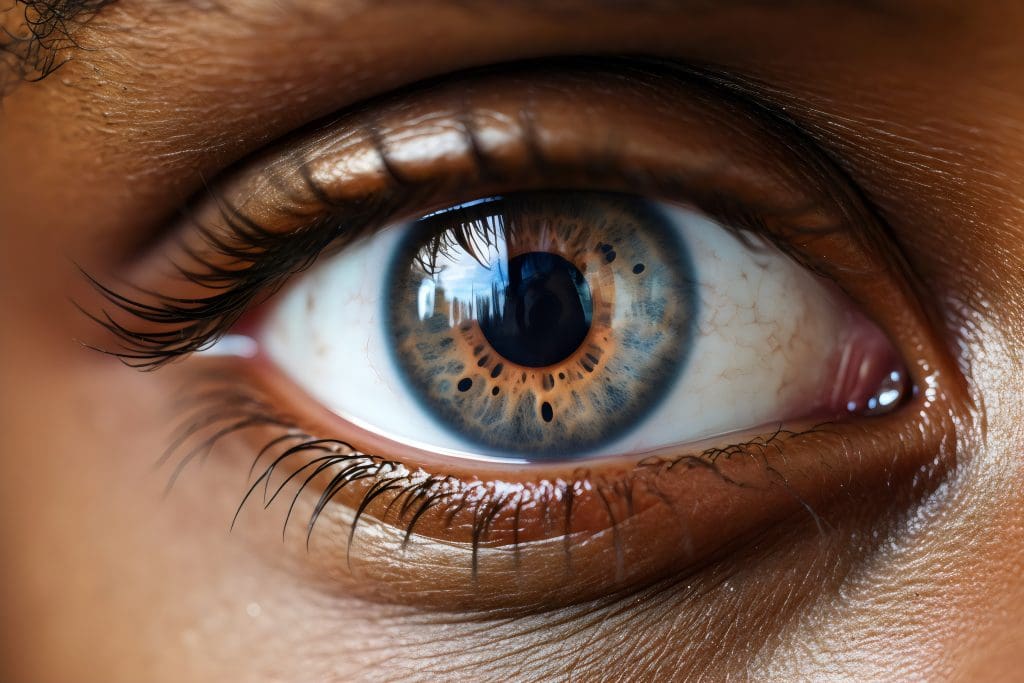
You or your primary care doctor may have identified eyelid sagging, called “ptosis,” which refers to the drooping of the upper eyelid down onto the eye, sometimes impairing vision. In ptosis, the upper eyelid can sag down over the pupil, which is the black dot in the center of the eye that allows light to pass to the retina to register vision. Ptosis is repaired by performing surgery on the outer or inner layers of the upper eyelid, specifically targeting the cause of the ptosis. The most common cause for ptosis in adults is called involutional, or acquired, ptosis. This is due to stretching of the connective tissue band that connect the muscle the elevates the upper eyelid, the levator muscle, from the small piece of cartilage located at the edge of the eyelid. If the “levator aponeurosis” is significantly stretched, you may not be able to your eyelid, which may require surgery to tighten this lifting mechanism. This surgery is sometimes required at the time of a “blepharoplasty,” which is commonly referred to as an eyelid lift.

What is Dermatochalasis?

Eyelid ptosis is different from extra skin of the upper and/or lower eyelid, which is called “dermatochalasis.” Common features of dermatochalasis include:

  • Sagging, puffy, or loose skin around the eyes
  • Under-eye bags, or tear trough deformity, which forms a half circle under the eye in the lower eyelid
  • Excess fat deposits
  • Unwanted eyelid folds, coarse and fine lines
  • Hooded eyelid that drapes down over the side portion of the upper eyelid
  • Blockage of portions of the field of vision

If extra upper eyelid skin is excessive enough, then it can also block vision. The upper and side vision can be obstructed by excess upper eyelid skin hooding. This results when there is so much upper eyelid skin that it hangs down off the side of the upper eyelids. In most cases of dermatochalasis, there is not sagging of the entire upper eyelid down over the pupil, even in cases of severe upper eyelid skin excess.

How Does an “Eyelid Lift” Work?

A common term that you may use to refer to eyelid surgery for skin excess is an eyelid lift, otherwise known as a blepharoplasty, meaning In a blepharoplasty procedure, each portion of an eyelid’s signs of aging can be reversed through:

  • The removal of excess skin
  • Removal of portions of the fat pads
  • Tightening of the internal structures that have become lax and sagging

Not only can an eyelid lift eliminate these cosmetic concerns, but it can help you obtain a more refreshed, youthful, and attractive appearance. Candidates for an eyelid lift include anyone that is in reasonably good health and is unhappy with the skin around their eye.

So in some ways, the term “eyelid lift” is a bit of a misnomer. What most people are referring to when they say eyelid lift is actually the removal of extra skin from the surface of the eyelid, which does not directly lift the eyelid but rather simply removes extra skin and fat on the eyelids. This is known as a blepharoplasty.

Eyelid Surgery | Pacific Sound Plastic Surgery

Insurance Coverage for Eyelid Surgery

Since eyelid surgery is an outpatient procedure, you’ll be able to return home immediately after. Patients typically experience swelling, bruising, and some mild discomfort immediately following the procedure up until a few days. Some also experience blurred vision, dry eyes, and a slight sensitivity to bright light. Keep in mind that these side effects are completely normal for this type of procedure and should disappear after a few days.

Dr. Day and his team will direct you to use a cold compress, pain medication, and prescription eyedrops to help you manage discomfort and minimize swelling in the days following your surgery. They will also provide a prescription ointment to apply to your surgical incisions. It is recommended that you take 3-5 days off work and avoid heavy lifting and exercise for up to two weeks following the surgery.

The lower eyelids can sometimes harbor signs of aging in the form of under eye bags, or “tear trough deformity.” This is a correctable condition, which is treated by the surgical removal of some very predictable fat pads along with elimination of excess skin. A very reliable approach in a paper by leading experts describes our approach to this condition. If you’ve been told that you look tired, unrested, have under-eye bags, or employ the famous cucumber slices and cool compresses frequently, then you may benefit from this uplifting procedure. It can have a powerful effect on the signs of facial aging in the middle face. Reach out today to see if you’re a candidate!


Smoking and Plastic Surgery

Smoking and Plastic Surgery

Plastic surgery can provide an inspiring transformation for patients looking to reclaim, rejuvenate, reconstruct, or refresh an aspect of their face, breast, and body. However, many plastic surgery procedures are elective and should be performed in the safest setting possible for patients to attain excellent results with the least risk. Dr. Kristopher Day, MD, is a double board-certified plastic surgeon in Bellevue, serving patients throughout the Seattle-Tacoma metropolitan area. He considers patients’ safety of utmost importance and considers it a responsibility to confront conditions that could compromise a patient’s surgical outcome prior to a procedure. Nicotine, which is the highly addictive substance found in cigarettes, cigars, pipe tobacco, chewing tobacco, and vape devices, can significantly impair healing and increase other risks of having plastic surgery. The following describes why that is so that patients can understand the importance of stopping smoking before surgery and continuing nicotine avoidance until healed from any plastic surgery procedure.

Background

According to the Centers for Disease Control, over 45 million Americans routinely smoke a tobacco product. Aside from the known increase risk of lung cancer, heart disease, and other tumors, smoking also increases heart and lung disease, as well as poses various risks of having a complication from a surgical procedure.

Effects of Smoking on Wound Healing

Cigarettes and other nicotine-containing substances are harmful to the tissue’s ability to heal. The nicotine in cigarettes causes “vasoconstriction,” which makes blood vessels smaller, reducing the nutritional flow of blood the skin needs to heal from a plastic surgery procedure. This resulting relative lack in blood flow can cause tissue “ischemia,” which can result in wound formation, worse scar formation, and skin ulceration. Nicotine also makes the blood’s clotting cells, platelets, more likely to stick to each other, which can cause small blood clots. These “micro-thrombi” can then block small blood vessels, such as the capillaries going to the edge of an incision, further preventing blood flow to wound edges. It also decreases the number of healthy cells in the blood, such as firboblasts and macorphages, which are involved in the production of healthy collagen, the most abundant protein present in the body’s tissues. This relatively decreased capacity for the body to produce new protein-based connections between tissues can also lead to wound formation and poor healing. Additionally, the act of smoking involves the burning of tobacco, which produces other unhealthy waste products that are taken up by the body’s bloodstream. These contaminants can interfere with healthy chemical processes that are involved in healing. Carbon monoxide, for example, binds to the chemical (hemoglobin) that carries life-sustaining oxygen to tissues approximately two hundred times stronger than does oxygen. Therefore, the nutrition that is brought to an incision made during plastic surgery is impaired in many ways by smoking, making stopping smoking key to a good plastic surgery outcome.

Quit Smoking at Least a Month Before Plastic Surgery

The effects of smoking on blood vessels, cells, and tissues can linger. So it is important to stop smoking in advance, so that your body can recover from the harmful effects of smoking prior to plastic surgery. The potential harmful effects on wound healing are above, but other problems, such as lung issues, vein thrombosis (DVT), and other issues can also be increased in smoking patients. Studies indicate that the best time frame is at least six weeks before a procedure to stop smoking. If your procedural plan does not allow for six weeks, then at least four weeks prior to surgery is required to prevent worse healing or other complications.

How to Stop Smoking

Nicotine is addictive. It is sometimes easier to say than to quit smoking. However, there are resources available to you. Smoking cessation products available without a prescription include nicotine gum, lozenges, patches. However, even these nicotine-containing products should not be used within a month of plastic surgery. Prescription drugs are another option for people who don’t experience success with over-the-counter products, such as Wellbutrin®, Zyban®, and Chantix®. There are also alternative medicine approaches to quitting smoking, such as hypnotherapy and acupuncture. Whichever method you choose, the goal is to break the habit, make your body healthier, and have better results from plastic surgery achieved with greater safety.

The Big Picture

You will probably hear various opinions about stopping smoking and having surgery. Or, perhaps worse, maybe your consultants will not mention anything about the effects of smoking at all. But do not be fooled. The data from many studies is clear. Smoking is associated not only with increased complications but also accelerates the signs of aging through various effects on the skin and underlying tissues. Since plastic surgery is meant to help you realize your best self and often to achieve a more refreshed and youthful appearance, smoking runs counter to the goals of most patients. So stopping smoking can not only help you avoid problems and heal better, but also have better results and move toward the bigger goal of feeling better with a more rejuvenated appearance. So if you use nicotine products, then your best outcome will be achieved if you think of your plastic surgery procedure as an opportunity to make healthy changes.

Reach Out if We Can Help

If your plastic surgeon has not discussed smoking cessation with you, then there may be an opportunity for you to be treated with greater safety and better outcomes. Please reach out to us today to get an individual assessment so that you achieve your best results with optimal safety in mind!

The “Nose Job”

Rhinoplasty - Overview | Pacific Sound Plastic Surgery

The “Nose Job”

Rhinoplasty - Overview | Pacific Sound Plastic Surgery
Closeup macro portrait of female face. Human woman open eyes with day beauty makeup. Girl with perfect skin and freckles.

Background

Your nose is obviously a significant feature of one’s facial appearance, as it is the most prominent structure and central on the face. So if you feel your nose is too large, angulated, your nasal tip is not proportional to the rest of your nose, or a number of other possible concerns, then you may have considered a “nose job.”

  • A nose that is too large or wide
  • A nose that is crooked, bent, or has a bump in the nasal bridge
  • Protruding or pinched nostrils
  • Protruding or enlarged nasal tip
  • A nose that is unbalanced with the rest of one’s facial features
  • A nose that does not fit with one’s current gender identity

Patients can also have breathing problems due to previous trauma, allergies, deviation of the septum, or several other causes. So a nose job can both enhances the aesthetic appearance of the nose, but also can correct functional problems. This means that a nose job can be an aesthetic or reconstructive procedure, or often both. This can help you achieve an attractive nose that adds symmetry, beauty, and harmony with the other features of your face. Surgery of the nose is also known as rhinoplasty, a term made from the Greek word “rhinos,” meaning “nose,” and “plastikos,” meaning “to shape.” Rhinoplasty is usually performed by a surgeon with advanced training in plastic and reconstructive surgery. Dr. Kristopher Day, MD, completed both plastic surgery training as well as advanced training in craniofacial surgery, making him especially adept at rhinoplasty procedures for both cosmetic and nasal breathing reasons.

Rhinoplasty


The nose can be thought of in parts, with the upper third made of bone, the middle third made of “upper” cartilages, and the lower third made of “lower” cartilages. The deep central portion of the nose is the septum, which is also composed of cartilage. A nose job involves the surgical manipulation of these nasal bones and cartilages. We often even harvest a small piece of the patient`s own cartilage or bone and use it to strengthen or increase the structure of the nose. Alternatively, cartilage from the ear or rib may be used. Such management of this anatomy can then help you breathe better, improve your self-confidence and overall quality of life, especially if you’re currently bothered by the size, shape, and appearance of your nose. Of note, other surgeons may use synthetic materials, but these are often associated with long-term complications such as infection, migration or extrusion, so Dr. Day does not generally use these materials.

Septoplasty

Septoplasty is a corrective surgical procedure that straightens the nasal septum, the midline structure that separates the two nasal cavities, or nostrils. Turbinates normally help clean and humidify the air as it moves through the nose to the lungs, but when they are abnormally large they can block nasal passages. Turbinate reduction surgery decreases the size of the turbinates, which are structures that can block the nasal passages.

Nose Job
Close-up portrait of handsome young red-haired man posing isolated over grey studio background. Male natural beauty. Concept of men’s health, posing, beauty, body and skin care. Thoughtful look

Surgery

The surgery is usually performed under general anesthesia and commonly takes from 2-5 hours. Patients should be in decent health, have their medical conditions treated, be non-smokers, and have any relevant allergies previously treated. Rhinoplasty is more commonly performed in a surgical center but can also be performed in a hospital. At Pacific Sound Plastic Surgery we perform nose surgery for men and women in the Seattle and Bellevue area at both our surgical center and area hospitals. The results of your nose job will depend on the specific goals of the procedure. However, most patients treated with a nose job often enjoy a more attractive nose, improved facial balance and symmetry, a nose in harmony with other facial features, and better nasal breathing.

Reach Out to Us

If you’re interested in a rhinoplasty surgery at Pacific Sound Plastic Surgery in Bellevue, we encourage you to contact us for a no-obligation consultation. Dr. Day is a highly rated, board-certified plastic surgeon in Bellevue and can design a customized surgical plan for your specific needs and goals. We will help you determine whether you’re a good candidate and educate you on any questions you have about your procedure. Call for a consultation today!

Guide to Migraine Surgery

Migraine Surgery | Pacific Sound Plastic Surgery

Relatively few people (even headaches sufferers) are aware that migraine surgery is a thing. For victims of chronic and debilitating migraine headaches, which are perhaps resistance to migraine medication, migraine surgery might be the solution that is needed.

Continue reading