Chemical Peel in Bellevue
Physician-Performed Skin Resurfacing
A chemical peel at Pacific Sound Plastic Surgery is not your average spa treatment. Dr. Kristopher Day — double board-certified, Ivy League trained, and one of Bellevue’s most highly rated plastic surgeons — personally performs every peel at our Bellevue medical spa. Whether you’re targeting sun damage, fine lines, uneven skin tone, acne scarring, or dull texture, Dr. Day matches the right peel depth and formulation to your specific skin type and goals.
Double Board-Certified (ABPS + ABS)
Ivy League Trained
Highly Rated Bellevue Plastic Surgeon
Proudly Serving Bellevue, Seattle, Kirkland, Redmond, Mercer Island, Issaquah, Renton
(425) 818-8991

What Is Chemical Peel?
A chemical peel is a skin resurfacing treatment in which a carefully selected acid solution is applied to the face — and sometimes the neck or hands — to remove the outer layers of damaged or aging skin. As those layers shed, the skin that regenerates is smoother, more evenly toned, and visibly refreshed.
Chemical peels are one of the most versatile non-surgical treatments available. They can be used as a standalone treatment or as a powerful complement to surgical procedures, helping patients maintain their results between or after surgery.
The Three Peel Depths
Not all chemical peels are the same. The depth of the treatment determines both the results and the recovery involved. At Pacific Sound Plastic Surgery, Dr. Day selects the appropriate peel level based on a thorough skin assessment:
Superficial (Light) Peel
Uses mild acids such as glycolic or lactic acid to gently exfoliate the outermost skin layer. Minimal to no downtime. Ideal for refreshing dull skin, mild discoloration, and maintenance. Great for first-time peel patients.
Medium Peel
Uses trichloroacetic acid (TCA) at controlled concentrations to reach deeper into the skin. Targets moderate sun damage, fine lines, and uneven pigmentation. Expect 5–7 days of peeling and redness.
Deep Peel
Reaches the deeper dermal layers for dramatic correction of deep wrinkles, significant sun damage, and scarring. Requires a longer recovery period and is performed under careful physician supervision.
Benefits Of a Chemical Peel
What Can a Chemical Peel Treat?
Chemical peels at Pacific Sound Plastic Surgery address a wide range of skin concerns that are common among patients in the Bellevue area — from the effects of the Pacific Northwest’s sun exposure to skin changes that naturally accompany aging:
- Fine lines and wrinkles around the eyes and mouth
- Uneven skin tone and texture
- Hyperpigmentation, melasma, and age spots
- Mild to moderate acne and post-acne scarring
- Sun damage and rough, dull skin surface
- Enlarged pores
Mild scarring from previous breakouts or procedures
Why Choose a Physician-Performed Peel
Most medical spas in the Bellevue and Kirkland area offer chemical peels administered by aestheticians or registered nurses. At Pacific Sound Plastic Surgery, Dr. Day performs your treatment personally. This distinction matters for several important reasons:
- Precise Depth Control: Applying a peel too superficially yields minimal results; too deeply causes complications. A board-certified plastic surgeon has the training to identify exactly how your skin is responding in real time and adjust accordingly.
- Customized Formulation: Day selects from multiple peel agents — and can combine them — based on your Fitzpatrick skin type, sensitivity profile, and treatment goals.
- Medical-Grade Safety: The practice carries prescription-grade peel solutions, including professional Obagi formulations, unavailable in standard aesthetician settings.
- Continuity of Care: If you are preparing for a surgical procedure or recovering from one, Dr. Day coordinates your peel into your broader care plan for optimal skin outcomes.
“Dr. Day is excellent with injections. I received facial filler treatment from him and he made the entire process comfortable and as painless as it gets for injections. He explained everything and answered my questions thoroughly.”
— Erica B. · Medical Spa Patient • Google Review
Am I a Good Candidate for a Chemical Peel?
Chemical peels are one of the most accessible skin treatments available — safe for a wide range of patients when properly selected and supervised. During your consultation, Dr. Day will review your skin tone, medical history, current medications, and goals to recommend the appropriate peel depth and formulation.
-
GOOD CANDIDATES
-
Skin concerns include fine lines, sun damage, or uneven tone -
Experiencing dull, rough, or congested skin texture -
Mild to moderate acne or post-acne hyperpigmentation -
Seeking maintenance between surgical or laser treatments -
Interested in prescription-grade Obagi skincare support -
Willing to follow post-peel sun protection protocol -
Fitzpatrick skin types I–IV for medium/deep peels
-
NOT YET CANDIDATES
-
Active cold sore outbreak or open skin lesions -
Recent use of isotretinoin (Accutane) within 6–12 months -
Pregnant or breastfeeding patients -
History of keloid scarring (for medium/deep peels) -
Radiation history in the treatment area -
Unrealistic expectations about single-treatment correction -
Fitzpatrick V–VI skin types for certain acid types (requires specialist assessment)
Not Sure If You’re a Candidate?
Schedule a consultation with Dr. Day to discuss your goals and options.
Your Chemical Peel Journey
Before Your Peel — Preparation
In the weeks leading up to your chemical peel, Dr. Day will provide a personalized pre-treatment protocol. This commonly includes:
- Skin preparation: Retinol or Obagi Tretinoin use to even skin cell turnover (typically 2–4 weeks pre-peel)
- Sun avoidance: Minimizing UV exposure and using SPF50+ daily in the weeks before treatment
- Medication review: Confirming no contraindicated medications or supplements that affect skin healing
- No waxing or hair removal: In the treatment area within one week of the peel date
The Day of Your Treatment
Chemical peel appointments at Pacific Sound Plastic Surgery typically run 30–60 minutes depending on the peel depth. Dr. Day cleanses the skin thoroughly, applies the peel solution in controlled passes, monitors your skin’s response, and neutralizes the solution at precisely the right moment. For deeper peels, topical or light sedation may be offered for comfort.
Recovery — What to Expect by Peel Depth
Superficial peel
What to Expect
Mild redness for 1–2 days. Light flaking or dryness. Wear SPF50+ and avoid harsh products for one week. Most patients return to normal activities immediately.
Medium peel
What to Expect
Visible peeling and redness for 5–7 days. Skin may appear darker before it sheds. Keep the face moisturized and out of direct sunlight. Social downtime is recommended for one week.
Deep peel
What to Expect
Significant redness and crusting for 7–14 days. Full healing takes several weeks. Dr. Day will provide a detailed recovery kit and follow-up appointments.
“I got tretinoin cream. Dr. is very knowledgeable and helpful.”
— Haruko · Skincare Patient • Google Review
Why It Matters: Surgeon vs. Aesthetician-Performed Peels
Walk into almost any medical spa in Bellevue, Kirkland, or Redmond and you’ll find chemical peels performed by licensed aestheticians or registered nurses — often following a standardized protocol with limited ability to deviate based on what they see happening in real time.
At Pacific Sound Plastic Surgery, every chemical peel is performed by Dr. Kristopher Day himself. He is not supervising from a back office. He is the one applying the solution, watching how your skin responds, and making moment-to-moment decisions about depth, timing, and neutralization.
This matters because:
- Skin peeling is a medical procedure with dose-response dynamics — not a beauty service with a fixed formula
- Complications like inadvertent over-penetration or allergic response require immediate physician-level assessment
- Day’s plastic surgical background means he sees skin through the lens of anatomy — how the superficial layers relate to the deeper structures he works with daily in the operating room
- For patients who are surgical candidates or post-operative patients, having the same physician manage both the surgical plan and the non-surgical skin program creates an integrated standard of care unavailable elsewhere
Years of Surgical Experience
0
+
Peer-Reviewed Publications
0
+
5-Star Patient Reviews
0
+
Google Star Rating
0
What Results Can I Expect from a Chemical Pee?
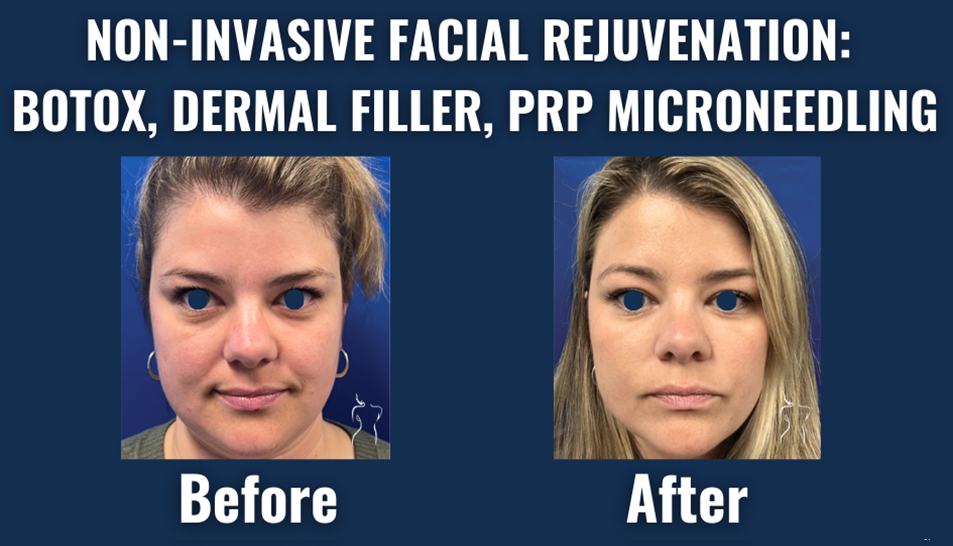
Chemical peel results depend on the depth of treatment, your skin’s starting condition, and how faithfully you follow the post-care protocol. In general:
- After a superficial peel: Skin looks brighter and feels smoother. A series of 3–6 peels spaced 4–6 weeks apart produces cumulative improvement in tone and texture. Results are gradual and build over time.
- After a medium peel: Visible reduction in fine lines, sun spots, and mild scarring. Skin appears noticeably clearer and more uniform. One to two treatments per year are typical for maintenance.
- After a deep peel: Dramatic improvement in deep lines and significant sun damage. Results are long-lasting. A single deep peel can produce results comparable to some laser resurfacing procedures.
“I couldn’t be happier with the results. It took 24 hours for the swelling to go down. Super professional and friendly doctor. I will definitely be going back when I need a touchup and would highly recommend a visit to anyone looking for services.”
— Ravin C. · Medical Spa Patient • Google Review
Chemical Peel Cost in Bellevue
Investment in Your Skin
Chemical peel pricing at Pacific Sound Plastic Surgery varies based on peel depth, the area of treatment, and any additional skin preparation protocols recommended by Dr. Day. Because every patient’s skin presents differently, pricing is personalized and provided during your consultation.
Financing Options
Pacific Sound Plastic Surgery accepts CareCredit (6-month financing) and Alphaeon Credit, two of the most widely used healthcare financing programs. Both allow patients to begin their journey without paying the full cost upfront.
Starting from $250 to $2,950
Pricing is discussed in full detail during your consultation so there are no surprises. Call (425) 818-8991 to get started.
Why Choose Dr. Kristopher Day for Your Chemical Peel?
Credentials & Differentiators
Most chemical peels in the Bellevue area are performed in spa settings without direct physician oversight. At Pacific Sound Plastic Surgery, your treatment is delivered by one of the most credentialed physicians in the Pacific Northwest:
✓ Double Board-Certified
Board-certified in both Plastic Surgery (ABPS) and General Surgery (ABS) — credentials that require years of post-medical school training and rigorous national examinations.
✓ Craniofacial Fellowship — Advanced Facial Anatomy Training
Advanced subspecialty training in facial anatomy and craniofacial surgery. Dr. Day understands facial skin structures at a depth most injectors and aestheticians cannot match.
✓ 30+ Peer-Reviewed Publications
Active contributor to plastic surgery research. Dr. Day applies evidence-based protocols — not trend-driven spa treatments.
✓ Integrated MedSpa + Surgery Program
Whether you are a non-surgical patient or preparing for (or recovering from) a procedure, Dr. Day coordinates your skin program as part of a complete care continuum.
✓ Surgical Facilities
Swedish Medical Center · Carillon Point Surgery Center ·
Virginia Mason Franciscan Health · Sound Plastic Surgical Center





Conveniently Located for Eastside Families
Pacific Sound Plastic Surgery is centrally located in downtown Bellevue, making Dr. Day’s fellowship-trained expertise accessible to families throughout Bellevue and the greater Eastside — without the stress of navigating Seattle traffic. Our patients enjoy a private, boutique surgical experience with on-site validated parking, just minutes from the communities they call home.
Seattle
~15 minutes
World-class plastic surgery results without the downtown Seattle parking hassle. A quick drive across SR-520 or I-90 to our private Bellevue office.
Kirkland
~10 minutes
Just minutes from downtown Kirkland and the Juanita waterfront via I-405 or surface streets.
Redmond
~10 minutes
Convenient for the Redmond tech community via SR-520 or surface streets.
Mercer Island
~10 minutes
A quick drive across I-90. Our discreet, private environment is ideal for discerning Mercer Island residents.
Serving Mercer Island residents
Issaquah
~10 minutes
Convenient for Issaquah Highlands and Gilman Village area families via I-90.
Renton
~5 minutes
Easy access from Renton and the Landing via I-405 North. Boutique care and personalized attention just minutes away.
Serving Renton residents
Get Directions to Our Bellevue Office
Frequently Asked Questions
How long does a chemical peel take at Pacific Sound Plastic Surgery?
Most chemical peel appointments run between 30 and 60 minutes depending on the peel depth and the areas being treated. The preparation and neutralization steps are included in that time frame. You can plan to be at our Bellevue office for approximately 60–90 minutes including consultation time on your first visit.
How many chemical peel treatments will I need to see results?
A single medium or deep peel can produce noticeable improvements after one treatment. Superficial peels are most effective as a series — typically 3 to 6 treatments spaced 4 to 6 weeks apart. During your consultation, Dr. Day will recommend a protocol based on your specific skin concerns and goals.
What is the downtime after a chemical peel in Bellevue?
Downtime depends on peel depth. Superficial peels require little to no social downtime — some mild redness for 1 to 2 days. Medium peels typically involve 5 to 7 days of visible peeling and redness. Deep peels require 1 to 2 weeks of recovery. Dr. Day will provide a specific post-care kit and timeline at your consultation.
Is a chemical peel safe for darker skin tones?
Certain peel formulations carry a higher risk of post-inflammatory hyperpigmentation in patients with Fitzpatrick skin types V and VI. Dr. Day performs a thorough skin assessment during your consultation and selects peel agents specifically suited to your tone and sensitivity profile. Some acid types (such as lactic acid) are safer across a wider range of skin tones. This is one of the reasons physician oversight is particularly important.
What is the difference between a chemical peel and microneedling?
Both chemical peels and microneedling improve skin texture and tone, but they work through different mechanisms. A chemical peel removes and resurfaces the outer skin layers using acid chemistry. Microneedling creates controlled micro-injuries to stimulate collagen production from within. Dr. Day offers both at Pacific Sound Plastic Surgery and can recommend the right treatment — or a combined approach — based on your specific skin concerns.
Can I combine a chemical peel with Botox or fillers?
In many cases, yes — but timing and sequencing matter. Chemical peels and injectables are often scheduled on different days to allow for proper recovery and to avoid disrupting fresh filler placement. Dr. Day will coordinate your treatment schedule if you are pursuing multiple services, ensuring each treatment works to its full advantage without interfering with the others.
Does Pacific Sound Plastic Surgery offer the Obagi Blue Peel?
The practice carries the Obagi Blue Peel Radiance Kit as well as the full Obagi product line, including Tretinoin, Nu-Derm, and SPF50 Sunshield Matte. Dr. Day can prescribe and integrate Obagi home-care products as part of your overall skin maintenance program following your in-office peel treatment.
What should I avoid after a chemical peel?
After your peel, Dr. Day will provide a detailed written post-care protocol. In general: avoid direct sun exposure for several weeks, do not pick or pull at peeling skin, use only the moisturizers and cleansers recommended by Dr. Day, and delay use of retinol, AHAs, or BHAs until cleared. Following these instructions closely is what determines how well and how quickly your skin heals.
Can I get a chemical peel if I’m planning facial surgery?
Absolutely — in fact, coordinating your skincare with your surgical plan is one of the advantages of receiving care at Pacific Sound Plastic Surgery. Dr. Day can prescribe pre-surgical peels to optimize skin condition before your procedure, and post-surgical peel protocols to support healing and maintain your surgical results. Timing will depend on the specific procedure and recovery phase.
How much does a chemical peel cost in Bellevue?
Pricing for chemical peels at Pacific Sound Plastic Surgery varies based on peel depth, the areas treated, and whether any complementary protocols are included. Specific pricing is provided during your consultation. CareCredit and Alphaeon Credit financing are accepted and can make physician-performed treatments more accessible with flexible monthly payment options. Call our office at (425) 818-8991 to discuss your options.
Most chemical peel appointments run between 30 and 60 minutes depending on the peel depth and the areas being treated. The preparation and neutralization steps are included in that time frame. You can plan to be at our Bellevue office for approximately 60–90 minutes including consultation time on your first visit.
A single medium or deep peel can produce noticeable improvements after one treatment. Superficial peels are most effective as a series — typically 3 to 6 treatments spaced 4 to 6 weeks apart. During your consultation, Dr. Day will recommend a protocol based on your specific skin concerns and goals.
Downtime depends on peel depth. Superficial peels require little to no social downtime — some mild redness for 1 to 2 days. Medium peels typically involve 5 to 7 days of visible peeling and redness. Deep peels require 1 to 2 weeks of recovery. Dr. Day will provide a specific post-care kit and timeline at your consultation.
Certain peel formulations carry a higher risk of post-inflammatory hyperpigmentation in patients with Fitzpatrick skin types V and VI. Dr. Day performs a thorough skin assessment during your consultation and selects peel agents specifically suited to your tone and sensitivity profile. Some acid types (such as lactic acid) are safer across a wider range of skin tones. This is one of the reasons physician oversight is particularly important.
Both chemical peels and microneedling improve skin texture and tone, but they work through different mechanisms. A chemical peel removes and resurfaces the outer skin layers using acid chemistry. Microneedling creates controlled micro-injuries to stimulate collagen production from within. Dr. Day offers both at Pacific Sound Plastic Surgery and can recommend the right treatment — or a combined approach — based on your specific skin concerns.
In many cases, yes — but timing and sequencing matter. Chemical peels and injectables are often scheduled on different days to allow for proper recovery and to avoid disrupting fresh filler placement. Dr. Day will coordinate your treatment schedule if you are pursuing multiple services, ensuring each treatment works to its full advantage without interfering with the others.
The practice carries the Obagi Blue Peel Radiance Kit as well as the full Obagi product line, including Tretinoin, Nu-Derm, and SPF50 Sunshield Matte. Dr. Day can prescribe and integrate Obagi home-care products as part of your overall skin maintenance program following your in-office peel treatment.
After your peel, Dr. Day will provide a detailed written post-care protocol. In general: avoid direct sun exposure for several weeks, do not pick or pull at peeling skin, use only the moisturizers and cleansers recommended by Dr. Day, and delay use of retinol, AHAs, or BHAs until cleared. Following these instructions closely is what determines how well and how quickly your skin heals.
Absolutely — in fact, coordinating your skincare with your surgical plan is one of the advantages of receiving care at Pacific Sound Plastic Surgery. Dr. Day can prescribe pre-surgical peels to optimize skin condition before your procedure, and post-surgical peel protocols to support healing and maintain your surgical results. Timing will depend on the specific procedure and recovery phase.
Pricing for chemical peels at Pacific Sound Plastic Surgery varies based on peel depth, the areas treated, and whether any complementary protocols are included. Specific pricing is provided during your consultation. CareCredit and Alphaeon Credit financing are accepted and can make physician-performed treatments more accessible with flexible monthly payment options. Call our office at (425) 818-8991 to discuss your options.
Schedule Your Chemical Peel Consultation
You deserve to feel confident in your body again. Dr. Day and the Pacific Sound team create personalized transformation plans tailored to your unique goals.