Smooth Confidence, Simplified: How Avéli® Treats Cellulite at Its Source

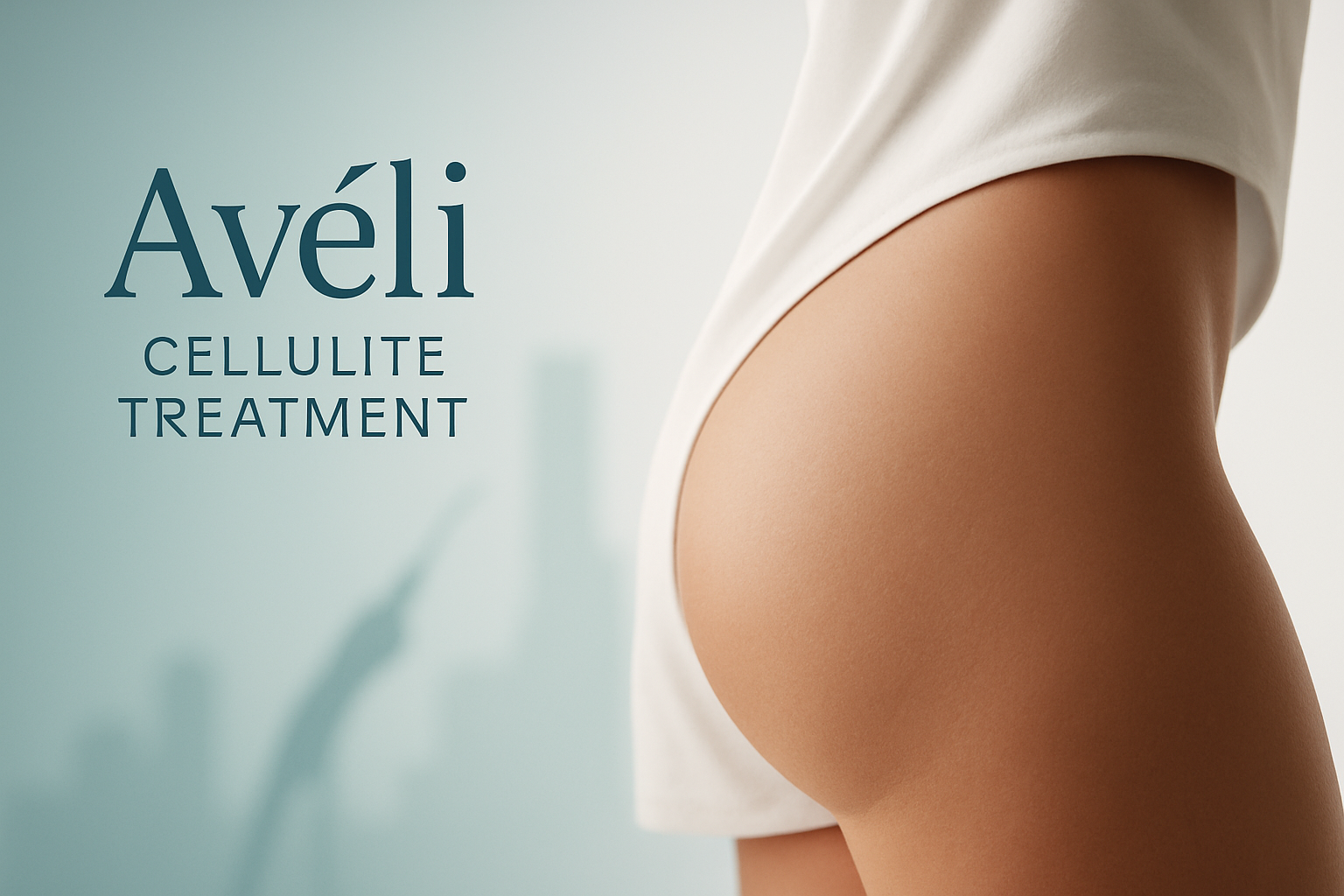
Close-up hip with ‘Avéli Cellulite Treatment’ title—clinical promo for cellulite procedure.
Close-up of smooth hip/thigh with ‘Avéli Cellulite Treatment’ text promoting a cellulite procedure.

TARGETED. PRECISE. LASTING.

Cellulite affects nearly 90% of women at some point in their lives — even those who maintain a healthy diet and exercise routine. While countless creams, massages, and laser treatments promise results, few address the true cause beneath the skin.

At Pacific Sound Plastic Surgery in Bellevue, Dr. Kristopher M. Day, MD, FACS, offers Avéli®, an FDA-cleared, single-session procedure that targets cellulite at its structural source — helping patients achieve smoother, more confident skin in a single, in-office visit.

What Causes Cellulite

Cellulite isn’t caused by fat or loose skin alone — it’s created by fibrous bands of connective tissue (septa) that tether the skin to deeper layers. These bands pull the surface downward, forming dimples, while surrounding fat pushes upward. The result: uneven texture that resists topical or surface treatments.

The Avéli® Difference

Avéli® goes beyond surface-level treatments by working from the inside out. Using a handheld precision device, Dr. Day can locate and release the specific septa bands responsible for each visible dimple — without disrupting nearby tissue.

What makes it unique:

  • Direct visualization and precision: Each septa band is identified and released individually for accurate, predictable smoothing.
  • Single treatment: Most patients need just one session to see lasting improvement.
  • Minimally invasive: Small entry points, local anesthesia, and no large incisions.
  • Quick recovery: Many return to normal routines within 24–48 hours.

What to Expect During and After Treatment

The procedure is performed in-office under local anesthesia. Dr. Day maps out visible dimples, then uses the Avéli device through tiny skin openings to release the targeted septa.

Immediately after treatment:

  • You’ll see smoother skin with mild swelling or tenderness.
  • Small bruises may appear for several days.
  • Most patients resume daily activities within two days.

Over the next few weeks, as the skin settles, results continue to refine, revealing a natural, even texture that looks and feels smoother.

The Perfect Complement to Body Contouring

Avéli® pairs beautifully with procedures such as alloClae™ structural adipose tissue or Renuvion® skin tightening. Together, they address every layer of body aesthetics:

  • Avéli® releases tethered bands causing dimples.
  • alloClae™ restores lost volume for natural contour.
  • Renuvion® refines skin tone and firmness.

This layered approach allows Dr. Day to customize treatment for a smooth, sculpted, and balanced result — tailored to each patient’s anatomy and goals. Explore other body contouring procedures available at Pacific Sound Plastic Surgery.

Why Choose Dr. Kristopher Day for Your Avéli® Treatment

Dr. Kristopher M. Day, MD, FACS, is double-board certified in plastic, reconstructive, and general surgery, with Ivy League training and advanced fellowship experience in aesthetic and craniofacial surgery. His precision-based approach, combined with compassionate patient care, ensures a seamless, confident experience from consultation to recovery.

“Avéli® allows us to treat cellulite exactly where it starts. By addressing each dimple individually, we can restore smoother contours that look natural and last.”
Dr. Kristopher M. Day, MD, FACS

Embrace the New You — Smooth, Confident, and Natural

If you’ve struggled with stubborn cellulite despite healthy habits, Avéli® may be the solution you’ve been waiting for. Schedule your private consultation today with Pacific Sound Plastic Surgery and take the next step toward smoother, more confident skin.

📍 1260 116th Avenue NE, Suite 100, Bellevue, WA 98004
📞 (425) 818-8991  🌐 www.KrisDayPlasticSurgery.com
✉️ info@PacificSoundPlasticSurgery.com

Bellevue’s Boutique Plastic Surgery Center — Where Innovation Meets Artistry.

Understanding Diastasis Recti vs. Abdominal Hernia: Key Insights for Your Abdominoplasty Decision

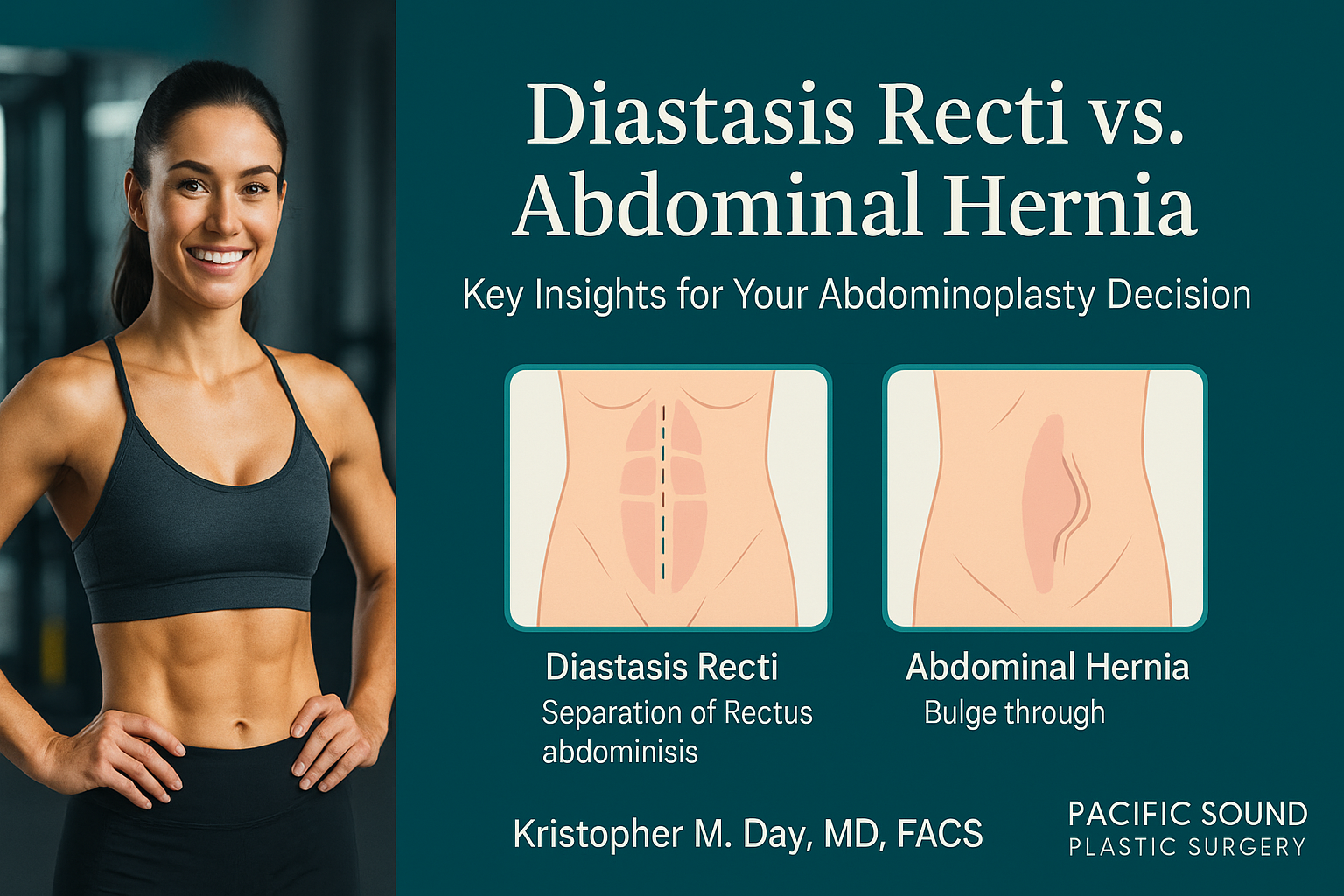
Infographic comparing diastasis recti (midline muscle separation) and abdominal hernia (fascial defect with tissue protrusion), with a fit woman at left and two abdominal diagrams at right.

Welcome to Pacific Sound Plastic Surgery, where Dr. Kristopher M. Day, MD, FACS, offers expert guidance and transformative cosmetic and reconstructive procedures in Bellevue and Seattle, Washington. As a double-board certified plastic surgeon specializing in facial plastic surgery, Dr. Day combines advanced surgical techniques with personalized care to help you achieve your aesthetic goals with confidence.

Infographic comparing diastasis recti (midline muscle separation) and abdominal hernia (fascial defect with tissue protrusion), with a fit woman at left and two abdominal diagrams at right.

Diastasis Recti vs. Abdominal Hernia: Exploring the Differences

If you’re considering abdominoplasty (tummy tuck), understanding the distinctions between diastasis recti and abdominal hernia is crucial. These conditions can significantly impact your surgical approach and outcomes:


Diastasis Recti

Definition: Diastasis recti occurs when the right and left abdominal muscles (rectus abdominis) separate along the midline of the abdomen. This separation can widen due to factors like pregnancy, childbirth, or significant weight fluctuations.

Effects of Pregnancy and Weight Changes: During pregnancy, the abdominal wall stretches to accommodate the growing uterus, often causing separation of the abdominal muscles. Similarly, rapid weight gain followed by weight loss can lead to weakened abdominal muscles and the formation of diastasis recti.

Symptoms: The primary symptom is a visible bulge or ridge along the midline of the abdomen, particularly noticeable when the abdominal muscles are engaged or tense. This condition may also contribute to core weakness and lower back pain.

Treatment with Abdominoplasty (Tummy Tuck): Abdominoplasty with rectus plication involves surgically tightening the separated muscles, restoring abdominal muscle tone and strength. This not only improves the appearance of the abdomen but also enhances core stability and function.


Abdominal Hernia

Definition: An abdominal hernia occurs when organs or tissues protrude through a weak spot or tear in the abdominal wall muscles. This can result from previous surgery, injury, or strain.

Symptoms: Symptoms may include a visible bulge or lump in the abdomen, discomfort or pain (especially when lifting or straining), and sometimes nausea, vomiting, or constipation.

Treatment: Repairing an abdominal hernia typically involves surgery to close the opening or weak spot in the abdominal wall. This may be performed independently or in combination with abdominoplasty, depending on the patient’s needs and surgical plan.


Advanced Abdominoplasty Techniques Offered at Pacific Sound Plastic Surgery

Types of Abdominoplasty Procedures

Drainless Tummy Tuck: This innovative technique reduces post-operative fluid buildup, enhancing patient comfort and facilitating a quicker recovery period.

Lipoabdominoplasty: Combining liposuction with abdominoplasty allows for the removal of excess fat deposits while simultaneously contouring and reshaping the abdomen, achieving more comprehensive results.

Mini-Abdominoplasty: Suitable for patients with limited excess skin and muscle laxity below the belly button, mini-abdominoplasty targets specific areas for a more focused improvement.

Combined Procedures (Mommy Makeover and Circumferential Body Lift): For comprehensive body rejuvenation, combining abdominoplasty with procedures like breast augmentation or lift (mommy makeover) or circumferential body lift addresses multiple areas of concern, delivering harmonious aesthetic outcomes.


Dr. Kristopher M. Day, MD, FACS: Your Trusted Plastic Surgeon

Dr. Kristopher M. Day is renowned for his expertise in facial plastic surgery and body contouring procedures. With a commitment to patient safety and satisfaction, Dr. Day combines surgical precision with an artistic approach to deliver natural-looking results that align with each patient’s individual goals.


Why Choose Pacific Sound Plastic Surgery?

  • Personalized Consultations: We provide comprehensive consultations to discuss your concerns, assess your abdominal anatomy, and develop a customized treatment plan tailored to your needs.
  • Advanced Surgical Techniques: Our state-of-the-art facility is equipped with cutting-edge technology to ensure precise surgical outcomes and patient comfort.
  • Compassionate Care: Pacific Sound Plastic Surgery prioritizes patient comfort and satisfaction, providing supportive guidance throughout your surgical journey.

Schedule Your Abdominoplasty Consultation Today

Ready to achieve a firmer, more sculpted abdomen with abdominoplasty at Pacific Sound Plastic Surgery? Schedule your consultation today by visiting our website at https://krisdayplasticsurgery.com/ or calling 425-818-8991. Discover why patients trust Dr. Day for exceptional care and transformative results in Bellevue and Seattle, Washington.

The Anchor Breast Lift: What You Need to Know with Dr. Kristopher M. Day, MD, FACS

Plastic surgeon consulting with patient about breast lift procedure at Pacific Sound Plastic Surgery

Welcome to the Pacific Sound Plastic Surgery blog! Today, we’re exploring the anchor breast lift, a transformative procedure that can help you achieve a more youthful and perky breast appearance. If you’re considering a breast lift and want to understand what the anchor lift entails, you’ve come to the right place. Dr. Kristopher M. Day, a double board-certified plastic, reconstructive, and craniofacial surgeon in Bellevue, WA, provides expert care and insight into this popular breast enhancement procedure.

Plastic surgeon consulting with patient about breast lift procedure at Pacific Sound Plastic Surgery

What is an Anchor Breast Lift?

The anchor breast lift, also known as the inverted-T lift, is a surgical technique designed to address significant breast sagging and reshape the breasts for a firmer, more youthful contour. The procedure is named for the shape of the incisions, which resemble an anchor or inverted T.


Key Characteristics of the Anchor Breast Lift

  • Incision Pattern: The anchor breast lift involves three primary incisions:

    1. Around the Areola: A circular incision is made along the edge of the areola (the darker skin surrounding the nipple). This incision allows for the repositioning of the nipple and areola.
    2. Vertical Incision: This incision extends vertically from the bottom of the areola down to the breast fold. It helps to remove excess skin and tissue.
    3. Horizontal Incision: The final incision is made along the breast fold, also known as the inframammary fold. This incision helps to address excess skin and tissue in the lower part of the breast.
  • Procedure Goals: The anchor breast lift is designed to lift and reshape the breasts, reposition the nipples, and remove excess skin.

    It is particularly effective for patients with more pronounced sagging and those who require substantial reshaping.


    Why Choose an Anchor Breast Lift?

    An anchor breast lift offers several advantages, especially for individuals seeking significant improvement in breast shape and position. Here are some reasons why this technique might be the right choice for you:

    1. Address Significant Sagging

    The anchor breast lift is ideal for patients with moderate to severe breast sagging. The extensive incision pattern allows for comprehensive lifting and reshaping, resulting in a more youthful and elevated breast profile.

    2. Comprehensive Reshaping

    This technique not only lifts the breasts but also provides substantial reshaping, including the removal of excess skin and the correction of breast asymmetry. It is well-suited for individuals who need extensive modifications to achieve their desired outcome.

    3. Nipple and Areola Positioning

    The procedure effectively repositions the nipples and areolas to a higher and more aesthetically pleasing location. This correction can address issues such as nipple droop and asymmetry.

    4. Long-Lasting Results

    The anchor breast lift offers durable results, with the benefits of the procedure lasting for many years. While the natural aging process will continue, the improvements made through the anchor lift are generally long-lasting.


    The Anchor Breast Lift Procedure: What to Expect

    Understanding the anchor breast lift procedure can help you feel more prepared and confident about your decision. Here’s what you can expect during the process:


    Consultation and Planning

    Your journey begins with a detailed consultation with Dr. Kristopher M. Day. During this appointment, Dr. Day will evaluate your breast anatomy, discuss your goals, and determine if the anchor breast lift is the most suitable option for you. He will explain the surgical plan, including the incision locations and expected outcomes.


    The Surgical Process

    The anchor breast lift is typically performed under general anesthesia, ensuring you are comfortable and pain-free throughout the procedure. Dr. Day will make the incisions around the areola, vertically down the breast, and along the breast fold. Excess skin and tissue will be removed, and the breasts will be reshaped and lifted. The nipple and areola will be repositioned to their new, higher location, and the incisions will be carefully closed with sutures.


    Recovery and Aftercare

    Recovery after an anchor breast lift is an essential part of the process. Here’s what you can generally expect:

    1. Immediate Post-Operative Period: You will need someone to drive you home after the surgery, as you will still be under the effects of anesthesia. Swelling, bruising, and discomfort are common but can be managed with prescribed pain medications.
    2. Initial Healing: During the first few weeks, it is important to follow Dr. Day’s aftercare instructions closely. You should avoid strenuous activities and heavy lifting to ensure proper healing. A supportive surgical bra will help to maintain the new breast shape and reduce swelling.
    3. Follow-Up Appointments: Dr. Day will schedule follow-up appointments to monitor your progress, remove any sutures if necessary, and address any concerns you may have. These appointments are crucial for ensuring optimal healing and achieving the best results.
    4. Long-Term Care: Most patients see significant improvements in breast shape and position within a few months of the surgery. Scarring from the incisions typically fades over time, though the extent of scar visibility can vary from person to person.

    Benefits of the Anchor Breast Lift

    Choosing the anchor breast lift offers several notable benefits:

    1. Significant Lifting and Reshaping: The anchor technique provides a comprehensive solution for significant breast sagging, offering substantial lifting and reshaping.
    2. Improved Nipple and Areola Position: The procedure effectively repositions the nipples and areolas to a more youthful location, enhancing breast symmetry and appearance.
    3. Long-Lasting Results: The results of the anchor breast lift are generally durable, with many patients enjoying the benefits for years to come.
    4. Versatility: The anchor breast lift is suitable for a wide range of breast sizes and shapes, making it a versatile option for many individuals.

    Why Choose Dr. Kristopher M. Day?

    When considering a breast lift, selecting a skilled and experienced surgeon is crucial. Dr. Kristopher M. Day is double board-certified in plastic, reconstructive, and craniofacial surgery, bringing a wealth of expertise and precision to each procedure. His dedication to patient care and his meticulous approach ensure that each surgery is tailored to meet the unique needs and goals of the patient.

    Dr. Day’s commitment to achieving natural-looking results and his compassionate care set him apart. With his extensive experience and personalized approach, you can trust that you are in capable hands.


    Schedule Your Consultation Today

    If you’re interested in learning more about the anchor breast lift and how it can help you achieve your aesthetic goals, we encourage you to schedule a consultation with Dr. Kristopher M. Day. At Pacific Sound Plastic Surgery, we are dedicated to providing exceptional care and delivering beautiful, lasting results.

    To book your consultation or if you have any questions, please contact us at 425-818-8991 or email Info@PacificSoundPlasticSurgery.com. We look forward to helping you achieve a rejuvenated and confident appearance.

    Thank you for visiting our blog! Stay tuned for more updates and insights on the latest in plastic and reconstructive surgery.


    This blog post is crafted to provide valuable information about the anchor breast lift, highlighting the expertise of Dr. Kristopher M. Day and the personalized care available at Pacific Sound Plastic Surgery. If you have any further questions or need assistance, feel free to reach out to us!

    Transform Your Body: Gender Affirmation Body Contouring at Pacific Sound Plastic Surgery

    Welcome to Pacific Sound Plastic Surgery, where we specialize in gender affirmation body contouring to help individuals achieve their desired physical appearance and enhance their self-confidence. Located in Bellevue and Seattle, Washington, our practice is led by Dr. Kristopher M. Day, MD, FACS, a double-board certified plastic surgeon renowned for his expertise in plastic and reconstructive surgery.

    Understanding Gender Affirmation Body Contouring

    Gender affirmation body contouring encompasses a range of surgical procedures designed to align an individual’s physical appearance with their gender identity. These procedures are tailored to each patient’s unique needs and may include:

    • Abdominoplasty (Tummy Tuck): Removes excess skin and fat from the abdomen, tightens the abdominal muscles, and creates a flatter, more toned midsection.
    • Body Liposuction: Targets and removes stubborn fat deposits from various areas of the body, providing smoother contours and enhancing overall body shape.
    • Thigh or Arm Contouring: Reshapes and sculpts the thighs or arms through surgical techniques such as liposuction and skin tightening, achieving a more proportionate and balanced appearance.


    Meet Dr. Kristopher M. Day, MD, FACS

    Dr. Kristopher M. Day is a distinguished plastic surgeon with a passion for helping patients achieve their aesthetic goals through advanced surgical techniques. He is double-board certified by the American Board of Plastic Surgery and the American Board of Surgery, demonstrating his commitment to the highest standards of patient care and safety. Dr. Day’s expertise in gender affirmation surgeries ensures that each patient receives compassionate care and achieves natural-looking results.


    Why Choose Pacific Sound Plastic Surgery?

      • Specialized Expertise: Dr. Day specializes in gender affirmation body contouring, offering customized treatment plans to meet the unique needs and goals of transgender and non-binary patients.
    • Comprehensive Approach: Our practice provides a full spectrum of plastic and reconstructive surgery services, including facial feminization surgery, breast augmentation, and body contouring, ensuring comprehensive care under one roof.
    • Patient-Centered Care: At Pacific Sound Plastic Surgery, we prioritize patient comfort and satisfaction. From your initial consultation through recovery, our team is dedicated to supporting you every step of the way.

    The Procedure and Recovery Process

    During your initial consultation, Dr. Day will conduct a thorough assessment of your anatomy and discuss your desired outcomes. Based on your goals, he will create a personalized treatment plan that may include one or more body contouring procedures. The procedures are performed in our state-of-the-art surgical facility, utilizing advanced techniques to minimize scarring and optimize results.

    Recovery times vary depending on the extent of surgery and individual healing factors. Dr. Day and our experienced team will provide detailed post-operative instructions to ensure a smooth recovery process and optimal outcome. We are committed to your comfort and well-being throughout your surgical journey.


    Schedule Your Consultation Today

    Are you ready to embark on your journey towards a more authentic and confident self through gender affirmation body contouring? Schedule a consultation with Dr. Kristopher M. Day at Pacific Sound Plastic Surgery in Bellevue or Seattle, Washington. Take the first step towards achieving the body you’ve always envisioned.

    Contact us at +1-425-818-8991 or visit our website to learn more about gender affirmation body contouring and our comprehensive range of plastic and reconstructive surgery services. Discover why patients trust Dr. Kristopher M. Day, MD, FACS, for exceptional care and transformative results.

    Navigating the Schnurr Scale: What It Means for Your BMI, BSA, and Insurance Coverage for Breast Reduction

    Smiling middle-aged woman considering breast reduction surgery at Pacific Sound Plastic Surgery

    Welcome to the Pacific Sound Plastic Surgery blog! If you’re considering breast reduction surgery, you might have come across the term “Schnurr scale” and wondered how it relates to your Body Mass Index (BMI), Body Surface Area (BSA), and insurance coverage. Understanding these factors is crucial for navigating the process and securing the necessary support for your procedure. In this post, Dr. Kristopher M. Day, a double board-certified plastic, reconstructive, and craniofacial surgeon based in Bellevue, WA, provides a detailed overview of the Schnurr scale and its significance in your breast reduction journey.

    Smiling middle-aged woman considering breast reduction surgery at Pacific Sound Plastic Surgery

    What is the Schnurr Scale?

    The Schnurr scale is a clinical tool used to assess the severity of breast hypertrophy, which is an excess of breast tissue that can cause both physical and psychological discomfort. Developed by Dr. Schnurr, this scale helps evaluate the extent of breast enlargement and its impact on a patient’s quality of life. It is often used to determine whether breast reduction surgery is medically necessary, which can influence insurance coverage decisions.


    Purpose and Function of the Schnurr Scale

      1. Assessment of Breast Hypertrophy: The Schnurr scale provides a standardized method for evaluating the degree of breast enlargement. It measures factors such as breast volume, sagging, and the associated symptoms like back pain, neck pain, and skin irritation.
      2. Medical Necessity: Insurance companies typically require evidence that breast reduction surgery is not just a cosmetic procedure but is medically necessary due to significant symptoms and functional impairment. The Schnurr scale helps document these factors in a structured way.
      3. Insurance Coverage: By providing a clear, objective assessment of breast hypertrophy, the Schnurr scale plays a critical role in helping patients secure insurance coverage for breast reduction surgery. Insurance providers often use this scale, along with other metrics, to evaluate and approve claims.


    How Does the Schnurr Scale Relate to BMI and BSA?

    Body Mass Index (BMI)

    BMI is a commonly used metric that helps estimate a person’s body fat based on their weight and height. The formula for calculating BMI is:

    BMI=weight (kg)height (m)2BMI=height (m)2weight (kg)

    For example, if you weigh 70 kg and are 1.75 meters tall, your BMI would be:

    BMI=701.752=22.86BMI=1.75270=22.86


    Role of BMI in Breast Reduction:

      1. Health Assessment: BMI is an important factor in assessing your overall health and suitability for surgery. It helps identify potential risks associated with breast reduction, such as complications related to high body weight.
      2. Insurance Criteria: Many insurance companies have BMI thresholds as part of their criteria for approving breast reduction surgery. A BMI within a certain range may be required to qualify for coverage, reflecting the need for a medically necessary procedure.

    Body Surface Area (BSA)

    BSA is another metric used in medical assessments to determine the total surface area of the body. It can be calculated using the following formula:

    BSA=height (cm)×weight (kg)3600BSA=3600height (cm)×weight (kg)

    For instance, if your height is 165 cm and weight is 70 kg:

    BSA=165×703600=1.73 m2BSA=3600165×70=1.73 m2


    Role of BSA in Breast Reduction:

      1. Overall Assessment: BSA provides context for evaluating your body proportions and overall health. While it is not directly used to determine eligibility for breast reduction, it helps in understanding the impact of breast size relative to your body surface area.
      2. Insurance Considerations: In some cases, BSA may be considered alongside other metrics, such as BMI and the Schnurr scale, to assess the need for breast reduction and to support insurance claims.

    The Schnurr Scale and Insurance Coverage for Breast Reduction

    When seeking insurance coverage for breast reduction, insurers require evidence that the surgery is medically necessary rather than purely cosmetic. The Schnurr scale is instrumental in providing this evidence. Here’s how the Schnurr scale intersects with insurance coverage:


    1. Documenting Severity

    The Schnurr scale helps document the severity of breast hypertrophy and its impact on your daily life. This includes:

      • Physical Symptoms: Documenting symptoms such as chronic back pain, neck pain, skin irritation, and limitations in physical activity.

      • Psychological Impact: Assessing the psychological impact of breast hypertrophy, including emotional distress and diminished quality of life.

    Insurance companies require detailed documentation of these factors to approve coverage for breast reduction. The Schnurr scale provides a structured and objective way to present this information.


    2. Supporting Medical Necessity

    Insurance companies often require evidence that breast reduction is not merely a cosmetic procedure but is necessary to address significant functional and psychological issues. The Schnurr scale helps substantiate the medical necessity of the procedure by:

      • Quantifying Symptoms: Providing a quantitative assessment of breast hypertrophy and its impact.

      • Demonstrating Impact: Illustrating how the condition affects your daily activities and overall well-being.


    3. Preparing for Insurance Approval

    To prepare for insurance approval, follow these steps:

      1. Consult with Dr. Kristopher M. Day: Dr. Day will conduct a thorough evaluation using the Schnurr scale to assess the severity of your condition. He will also consider your BMI, BSA, and other relevant factors to determine the appropriate surgical approach.
      2. Gather Comprehensive Documentation: Collect all necessary medical records, including evaluations from your healthcare providers, and ensure that your documentation aligns with insurance requirements. Dr. Day’s office can assist with preparing this information.
      3. Review Your Insurance Policy: Understand your insurance policy’s criteria for breast reduction coverage. Different insurers have varying requirements, so it’s essential to be aware of your specific policy details.
      4. Submit a Pre-Authorization Request: Work with Dr. Day’s office to submit a pre-authorization request to your insurance provider. This request should include all relevant documentation and a detailed explanation of why breast reduction is medically necessary.
      5. Follow Up: Stay in contact with your insurance provider and Dr. Day’s office to monitor the status of your pre-authorization request and address any additional requirements or concerns.


    Why Choose Dr. Kristopher M. Day?

    Dr. Kristopher M. Day, a double board-certified plastic, reconstructive, and craniofacial surgeon, brings extensive expertise to the field of breast reduction surgery. His comprehensive approach ensures that each patient receives personalized care, including a detailed assessment using the Schnurr scale and other relevant metrics.

    Dr. Day’s commitment to patient care and his meticulous attention to detail help achieve optimal outcomes and support your journey toward enhanced comfort and well-being.


    Schedule Your Consultation Today

    If you’re considering breast reduction surgery and have questions about the Schnurr scale, BMI, BSA, or insurance coverage, we encourage you to schedule a consultation with Dr. Kristopher M. Day. At Pacific Sound Plastic Surgery, we are dedicated to helping you navigate the process and achieve your desired results.

    To book your consultation or for any inquiries, please contact us at 425-818-8991 or email Info@PacificSoundPlasticSurgery.com. We look forward to assisting you on your path to improved quality of life and confidence.

    Thank you for visiting our blog! Stay tuned for more insights and updates on the latest in plastic and reconstructive surgery.


    This blog post provides a comprehensive overview of the Schnurr scale and its relevance to BMI, BSA, and insurance coverage for breast reduction, highlighting the expertise of Dr. Kristopher M. Day. If you have further questions or need assistance, please reach out to us!

    Understanding the Medial Thigh Lift: Types, Techniques, and Benefits

    If you’re considering body contouring procedures to enhance your physique, a medial thigh lift might be an option worth exploring. This procedure is designed to address excess skin and fat on the inner thighs, helping to create a more toned and youthful appearance. At Pacific Sound Plastic Surgery in Bellevue, Washington, board-certified plastic surgeon Dr. Kristopher M. Day, MD, FACS, specializes in various types of thigh lift procedures, including the medial thigh lift. In this comprehensive guide, we’ll delve into what a medial thigh lift is, the different techniques available, and what you can expect from the surgery.

    1. What is a Medial Thigh Lift?

    A medial thigh lift, also known as thighplasty, is a cosmetic surgical procedure aimed at removing excess skin and fat from the inner thigh area. The result is a smoother, tighter thigh contour, enhancing the overall appearance of the legs. This procedure is particularly popular among individuals who have lost a significant amount of weight, experienced aging, or are looking to improve skin laxity.


    2. Indications for a Medial Thigh Lift

    Several factors may lead individuals to consider a medial thigh lift, including:

    • Weight Loss: Significant weight loss can result in excess skin that does not retract naturally, making surgical intervention appealing.
    • Aging: As we age, skin loses its elasticity, leading to sagging in various body areas, including the thighs.
    • Genetics: Some individuals may be genetically predisposed to excess skin or fat in the thigh area.
    • Post-Pregnancy Changes: Pregnancy can also contribute to changes in body shape, leading some women to seek surgical solutions.


    3. Types of Medial Thigh Lifts

    Understanding the different types of medial thigh lifts can help you choose the best option for your needs.


    3.1 Horizontal Thigh Lift

    The horizontal thigh lift primarily targets the inner thigh area. This technique involves a horizontal incision in the groin region, allowing for the removal of excess skin and tightening of the surrounding tissue. This method is ideal for patients with moderate skin laxity and localized fat deposits.

    Key Features:

    • Focuses on tightening the inner thigh.
    • Minimal visible scarring due to the strategic placement of incisions.
    • Suitable for patients with less extensive skin laxity.


    3.2 Vertical Thigh Lift

    The vertical thigh lift is more comprehensive, focusing on both the inner and outer thigh areas. This technique involves a vertical incision running down the thigh, which allows for significant tightening and reshaping. It is often recommended for patients with more extensive skin laxity.

    Key Features:

    • Provides dramatic improvements in contour.
    • Ideal for patients with substantial skin sagging.
    • Longer incision, but results in a more significant overall transformation.


    3.3 Bi-Directional Thigh Lift

    The bi-directional thigh lift combines both horizontal and vertical techniques. This method allows the surgeon to remove skin and fat from both directions, providing a comprehensive approach to reshaping the thighs. This technique is particularly beneficial for patients with complex needs.

    Key Features:

    • Comprehensive tightening of the thigh area.
    • Allows for maximum skin removal and contouring.
    • Best suited for patients with significant laxity and fat deposits.


    3.4 Minimally-Invasive Thigh Lift

    Minimally-invasive thigh lifts utilize smaller incisions and advanced techniques to achieve results with less scarring and recovery time. These procedures may include the use of endoscopic methods, allowing surgeons to perform the surgery with greater precision and less disruption to surrounding tissues.

    Key Features:

    • Reduced scarring compared to traditional methods.
    • Quicker recovery time.
    • Ideal for patients with less extensive skin laxity.


    3.5 Medial Thigh Lift with Liposuction

    In some cases, a medial thigh lift may be performed in conjunction with liposuction. This approach combines fat removal with skin tightening, resulting in a more sculpted appearance. Liposuction can help eliminate stubborn fat deposits that may not respond to diet and exercise alone.

    Key Features:

    • Dual benefit of fat removal and skin tightening.
    • Customized approach based on individual needs.
    • Often results in a more dramatic transformation.


    3.6 Medial Thigh Lift without Liposuction

    For patients who primarily require skin tightening without significant fat deposits, a medial thigh lift can be performed without liposuction. This technique focuses solely on removing excess skin and tightening the underlying tissues.

    Key Features:

    • Ideal for patients with minimal fat but significant skin laxity.
    • More straightforward procedure with focused results.
    • Shorter surgical time compared to combined procedures.


    4. The Procedure: What to Expect

    The medial thigh lift procedure generally involves the following steps:

    Pre-Operative Consultation

    During your initial consultation, Dr. Day will assess your individual needs, discuss your goals, and recommend the most suitable type of thigh lift for you. This is also the time to ask any questions you may have about the procedure.

    Anesthesia

    On the day of surgery, you will be placed under anesthesia. Depending on the complexity of the procedure and your preference, this may be local anesthesia with sedation or general anesthesia.

    Surgical Technique

    The specific technique used will depend on the type of thigh lift being performed. Generally, the surgeon will:

    1. Make incisions in the designated areas (inner thigh, outer thigh, etc.).
    2. Remove excess skin and fat.
    3. Tighten the remaining skin and tissues.
    4. Close the incisions with sutures.

    The entire procedure typically lasts between two to four hours, depending on the complexity and techniques used.


    5. Recovery After a Medial Thigh Lift

    Recovering from a medial thigh lift is essential for achieving the best results. Here’s what to expect during your recovery:

    • Initial Recovery: You may experience swelling, bruising, and discomfort in the thigh area. Pain medication will be prescribed to manage any discomfort.
    • Activity Restrictions: It’s crucial to avoid strenuous activities and heavy lifting for several weeks. Light walking is encouraged to promote circulation, but it’s important to listen to your body.
    • Follow-Up Appointments: Regular follow-ups with Dr. Day will ensure that your recovery is on track and address any concerns.
    • Long-Term Care: Once the initial healing period is over, you can gradually return to your regular activities while maintaining a healthy lifestyle for long-lasting results.


    6. Benefits of a Medial Thigh Lift

    Opting for a medial thigh lift offers numerous benefits, including:

    • Enhanced Contour: The primary benefit is a more toned and contoured thigh appearance, which can enhance your overall body aesthetics.
    • Improved Comfort: Removing excess skin can lead to improved comfort, particularly during physical activities.
    • Boosted Confidence: Many patients report increased self-esteem and confidence following the procedure.
    • Long-Lasting Results: With a commitment to a healthy lifestyle, the results of a medial thigh lift can be long-lasting, providing sustained improvements in appearance.


    7. Who is a Good Candidate?

    Not everyone is an ideal candidate for a medial thigh lift. The best candidates typically:

    • Are at or near their goal weight.
    • Have excess skin or fat in the thigh area due to aging, genetics, or significant weight loss.
    • Are in good overall health and have realistic expectations for the surgery.
    • Are non-smokers or willing to quit smoking before surgery, as smoking can impair healing.

    Dr. Day will evaluate your individual situation during your consultation to determine if a medial thigh lift is right for you.


    8. Risks and Considerations

    As with any surgical procedure, a medial thigh lift carries certain risks and potential complications. While serious complications are rare, it’s important to be aware of them, which may include:

    • Infection
    • Scarring
    • Asymmetry or uneven results
    • Changes in sensation
    • Blood clots

    Discussing these risks with Dr. Day during your consultation will help you make an informed decision.


    9. Conclusion

    A medial thigh lift can be a transformative procedure for those struggling with excess skin or fat in the thigh area. By understanding the various types of medial thigh lifts available and how they can help you achieve your aesthetic goals, you can make an informed decision about your body contouring options.

    If you’re considering a medial thigh lift in Bellevue or Seattle, Dr. Kristopher M. Day at Pacific Sound Plastic Surgery is here to guide you through the process. With his expertise and commitment to patient care, you can feel confident in your choice to enhance your body contour.


    10. Contact Information

    Ready to take the next step toward achieving your ideal thigh contour? Contact Pacific Sound Plastic Surgery today for a consultation.

    Phone: 425-818-8991
    Email: Info@PacificSoundPlasticSurgery.com

    Contact Pacific Sound Plastic Surgery to begin your thigh transformation journey!


    Understanding Rectus Diastasis: Causes, Symptoms, and Treatment Options

    If you’re experiencing a bulging belly that doesn’t seem to improve with diet and exercise, you may be dealing with a condition known as rectus diastasis. This common condition affects many people, especially women after pregnancy, and understanding it is crucial for finding the right treatment. At Pacific Sound Plastic Surgery in Bellevue, Washington, board-certified plastic surgeon Dr. Kristopher M. Day, MD, FACS, specializes in helping patients address rectus diastasis and its effects.

    In this comprehensive guide, we’ll explore what rectus diastasis is, its causes and symptoms, how it can impact your life, and the various treatment options available, including surgical intervention. If you’re seeking plastic surgery in Bellevue or Seattle, understanding rectus diastasis can help you make informed decisions about your health and appearance.


    1. Introduction to Rectus Diastasis

    Rectus diastasis is a condition characterized by the separation of the rectus abdominis muscles, which can lead to a protruding abdomen. This condition is often misunderstood and can significantly impact an individual’s physical appearance and confidence. Understanding rectus diastasis is essential for those looking for effective solutions, particularly in the context of plastic surgery.


    2. What is Rectus Diastasis?

    2.1 Anatomy of the Abdomen

    To comprehend rectus diastasis, it’s essential to understand the anatomy of the abdomen. The rectus abdominis muscles, commonly known as the “abs,” run vertically along the front of the abdomen. These muscles are separated by a band of connective tissue called the linea alba. When these muscles separate beyond their normal distance, rectus diastasis occurs.

    This separation can create a noticeable bulge in the abdominal area, often making it difficult to achieve the desired flat stomach through diet and exercise alone.


    3. Causes of Rectus Diastasis

    Understanding the causes of rectus diastasis can help in both prevention and treatment.

    3.1 Pregnancy and Childbirth

    One of the most common causes of rectus diastasis is pregnancy. As the uterus expands to accommodate the growing fetus, it places significant pressure on the abdominal muscles, causing them to stretch and separate. Hormonal changes during pregnancy can also relax the connective tissues, making it easier for diastasis to occur.

    3.2 Obesity

    Excess weight can put additional strain on the abdominal muscles. The increased pressure can lead to a greater likelihood of muscle separation, making obesity a significant risk factor for developing rectus diastasis.

    3.3 Aging

    As individuals age, the elasticity of the connective tissues decreases. This natural loss of elasticity can contribute to the development of rectus diastasis, even in individuals who have never been pregnant or significantly overweight.

    3.4 Other Factors

    Other contributing factors may include:

    • Genetics: Some individuals may be genetically predisposed to muscle separation.
    • Rapid Weight Changes: Sudden weight gain or loss can strain the abdominal muscles.
    • Improper Exercise Techniques: Certain exercises may exacerbate diastasis if done incorrectly, particularly during postpartum recovery.


    4. Symptoms of Rectus Diastasis

    Recognizing the symptoms of rectus diastasis is crucial for seeking appropriate treatment. Common symptoms include:

    • Bulging Belly: A noticeable bulge in the midline of the abdomen, especially when sitting up or straining.
    • Weakness in the Abdominal Area: A feeling of weakness or instability in the core.
    • Back Pain: Weak abdominal muscles can contribute to poor posture and back pain.
    • Difficulty with Physical Activities: Struggles with certain physical activities or exercises that engage the core.

    If you experience any of these symptoms, it’s essential to consult with a qualified professional, such as Dr. Day, to discuss potential diagnosis and treatment options.


    5. Diagnosis of Rectus Diastasis

    Diagnosing rectus diastasis typically involves a physical examination. A healthcare professional will assess the abdominal area, often asking the patient to perform specific movements, such as sitting up from a lying position. This allows the doctor to observe any separation of the rectus abdominis muscles.

    In some cases, imaging studies, such as an ultrasound or MRI, may be used to assess the severity of the diastasis and to guide treatment decisions.


    6. Impact of Rectus Diastasis on Daily Life

    Rectus diastasis can significantly affect an individual’s quality of life. Some of the impacts include:

    • Self-Esteem Issues: Many individuals feel self-conscious about their appearance, leading to reduced confidence.
    • Physical Limitations: Weakness in the abdominal muscles can make it challenging to engage in physical activities, limiting exercise and lifestyle options.
    • Chronic Pain: Associated back pain and instability can lead to discomfort in daily activities.

    Understanding these impacts can motivate individuals to seek treatment options that can help restore both function and confidence.
    7. Treatment Options for Rectus Diastasis

    When it comes to treating rectus diastasis, several options are available, ranging from non-surgical approaches to surgical intervention.

    7.1 Non-Surgical Treatments

    For mild cases of rectus diastasis, non-surgical treatments may be effective. Options include:

    • Physical Therapy: Working with a physical therapist can help strengthen the core muscles and improve muscle function. Specific exercises may focus on the transverse abdominis to support the abdominal wall.
    • Bracing: Abdominal binders or braces may provide support during exercise and daily activities, helping to hold the abdominal muscles in place.
    • Lifestyle Modifications: Maintaining a healthy weight and engaging in regular exercise can help manage symptoms.

    7.2 Surgical Treatments

    For more severe cases or when non-surgical methods have not provided sufficient relief, surgical intervention may be necessary. Surgical options include:

    • Abdominoplasty (Tummy Tuck): A tummy tuck can address rectus diastasis by tightening the abdominal muscles and removing excess skin. This procedure not only restores the separation but also improves overall abdominal contour.
    • Mini Tummy Tuck: For individuals with less severe diastasis or minimal excess skin, a mini tummy tuck may be an option. This procedure focuses on the lower abdomen and may be less invasive.

    Consulting with Dr. Day will help determine the most appropriate surgical approach based on your individual needs and goals.


    8. The Role of Dr. Kristopher M. Day in Treatment

    Dr. Kristopher M. Day is a board-certified plastic surgeon with extensive experience in treating rectus diastasis and related conditions. At Pacific Sound Plastic Surgery, he prioritizes patient education and personalized care. During your consultation, Dr. Day will:

    1. Assess Your Condition: Conduct a thorough examination to determine the severity of your rectus diastasis.
    2. Discuss Treatment Options: Explore both surgical and non-surgical options tailored to your specific needs.
    3. Provide Detailed Information: Explain the procedures, recovery process, and expected outcomes to ensure you are fully informed.


    9. Conclusion

    Rectus diastasis is a common condition that can significantly affect your physical appearance and overall well-being. Understanding the causes, symptoms, and treatment options available is essential for making informed decisions about your health.

    If you’re in Bellevue or Seattle and struggling with rectus diastasis, Dr. Kristopher M. Day at Pacific Sound Plastic Surgery is here to help. With his expertise and compassionate approach, you can regain your confidence and achieve the results you desire.


    10. Contact Information

    If you’re ready to take the next step toward addressing rectus diastasis or have any questions about your options, contact Pacific Sound Plastic Surgery today.

    Phone: 425-818-8991
    Email: Info@PacificSoundPlasticSurgery.com

    Don’t let rectus diastasis hold you back. Schedule your consultation with Dr. Day today and discover the possibilities for your health and confidence!

    Choosing a Qualified Plastic Surgeon: Your Path to Safe and Stunning Results

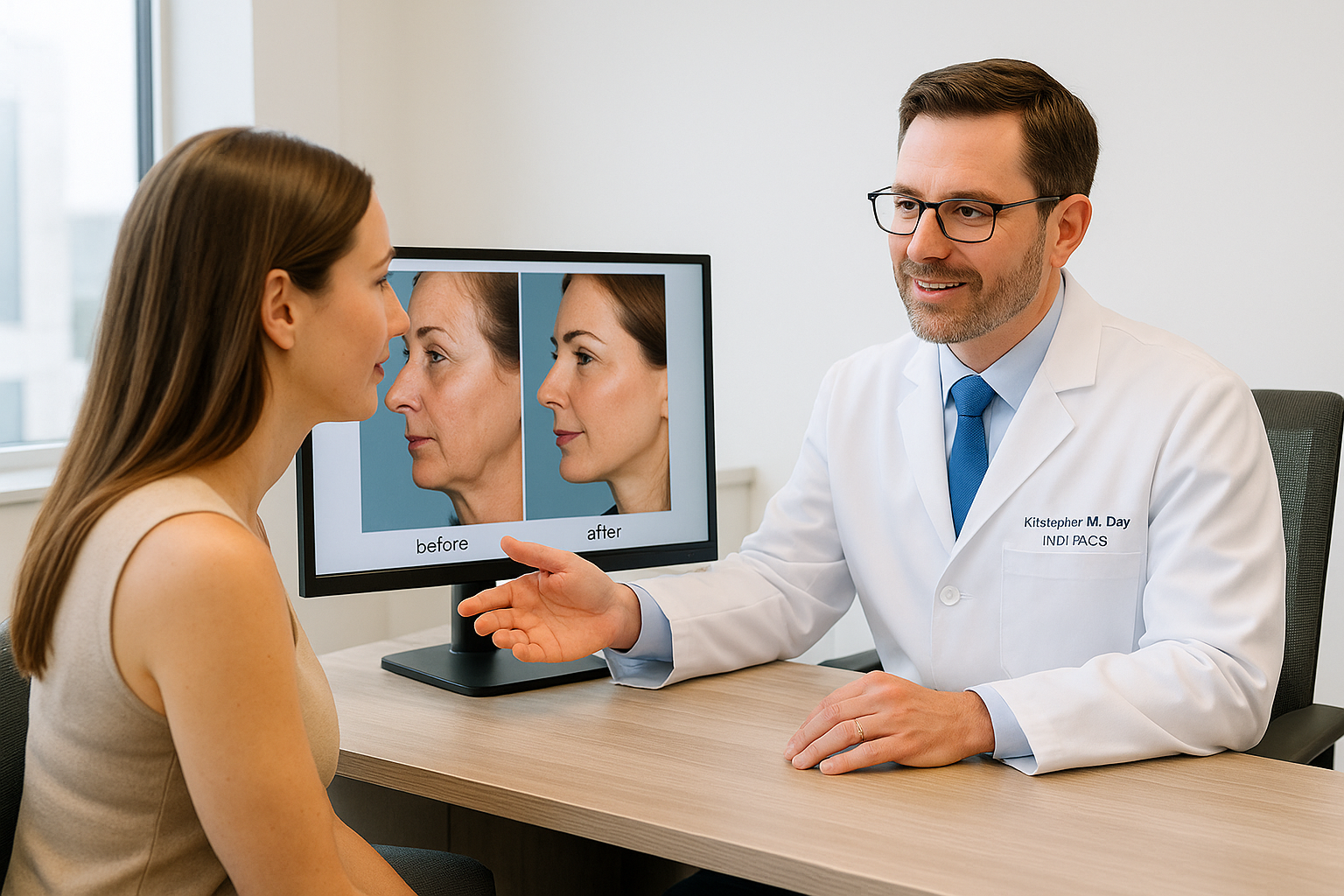
    Board-certified plastic surgeon reviewing facial before-and-after photos with a patient during a consultation at Pacific Sound Plastic Surgery in Bellevue.

    Selecting the right plastic surgeon is paramount when considering a cosmetic procedure. At Pacific Sound Plastic Surgery in Bellevue and Seattle, Washington, Dr. Kristopher M. Day, MD, FACS, stands out as a double-board certified plastic surgeon specializing in facial plastic surgery. His commitment to excellence, combined with advanced techniques and compassionate care, ensures each patient achieves their aesthetic goals with confidence.

    Board-certified plastic surgeon reviewing facial before-and-after photos with a patient during a consultation at Pacific Sound Plastic Surgery in Bellevue.

    Key Considerations When Choosing a Plastic Surgeon

    Board Certification

    Board certification by the American Board of Plastic Surgery (ABPS) is fundamental. It confirms that the surgeon has undergone rigorous training in plastic surgery, passed comprehensive exams, and upholds high standards of ethical practice. Dr. Kristopher M. Day’s double-board certification underscores his expertise in both general plastic surgery and facial plastic and reconstructive surgery.


    Hospital Credentials

    Hospital privileges are a testament to a surgeon’s qualifications and adherence to hospital standards. Dr. Day maintains active privileges at respected hospitals, reflecting his competency and commitment to patient safety.


    Professional Society Memberships

    Membership in prestigious organizations like the American Society of Plastic Surgeons (ASPS) and the American Society for Aesthetic Plastic Surgery (ASAPS) demonstrates a surgeon’s dedication to staying updated with advancements in plastic surgery and adhering to ethical guidelines.


    Patient Satisfaction Scores

    Positive patient testimonials and satisfaction scores are indicative of a surgeon’s skill and bedside manner. Reviews provide valuable insights into the patient experience and outcomes, helping prospective patients gauge the quality of care they can expect.


    Before and After Photos

    Reviewing before and after photos of actual patients treated by the surgeon offers a glimpse into their aesthetic style and surgical outcomes. Dr. Day showcases his expertise through a gallery of impressive transformations, illustrating his ability to achieve natural-looking results tailored to individual patient goals.


    Research Accomplishments

    A surgeon actively engaged in research demonstrates a commitment to advancing the field of plastic surgery. Dr. Kristopher M. Day’s research contributions and publications reflect his dedication to enhancing surgical techniques and patient outcomes.


    Educational Service

    Surgeons who educate and mentor others in the field often possess a deep understanding and proficiency in their specialty. Dr. Day’s role in educating future plastic surgeons highlights his leadership and expertise within the plastic surgery community.


    Community Reputation

    A strong community reputation is earned through exceptional patient care, ethical practices, and positive outcomes. Dr. Day is respected in the Bellevue and Seattle communities for his integrity, surgical skill, and commitment to patient satisfaction.


    Why Choose Dr. Kristopher M. Day at Pacific Sound Plastic Surgery?

    • Comprehensive Expertise: Double-board certified in plastic surgery and facial plastic surgery, Dr. Day offers specialized knowledge and skill in facial aesthetics and reconstructive procedures.
    • Advanced Techniques: Utilizing state-of-the-art technology and advanced surgical techniques, Dr. Day delivers safe, precise, and natural-looking results tailored to each patient’s unique anatomy.
    • Patient-Centered Care: At Pacific Sound Plastic Surgery, every patient receives personalized attention and compassionate care from initial consultation through recovery, ensuring a comfortable and rewarding experience.


    Schedule Your Consultation Today

    Ready to embark on your aesthetic journey with a trusted plastic surgeon? Schedule a consultation with Dr. Kristopher M. Day at Pacific Sound Plastic Surgery in Bellevue or Seattle, Washington. Visit our website at www.PacificSoundPlasticSurgery.com or call 425-818-8991 to book your appointment and learn more about achieving your cosmetic goals safely and effectively.

    Discover why patients choose Dr. Kristopher M. Day for exceptional plastic surgery results and exceptional care at Pacific Sound Plastic Surgery.

    Hand Rejuvenation: Enhance Your Hands for a Youthful Appearance

    Your hands are one of the first areas to show signs of aging, but with modern plastic surgery techniques, achieving youthful-looking hands is easier than ever. At Pacific Sound Plastic Surgery in Bellevue and Seattle, Washington, Dr. Kristopher M. Day, MD, FACS, offers advanced hand rejuvenation procedures to restore volume, smooth wrinkles, and enhance overall aesthetics.

    Understanding Hand Rejuvenation

    Addressing Volume Loss: As we age, the hands naturally lose volume, making veins, tendons, and bones more prominent. This can result in a “bony” or “veiny” appearance that may contribute to an aged look. Dr. Day specializes in:

    • Fat Grafting: Also known as fat transfer or fat injections, this procedure involves harvesting fat from your own body (often from areas like the abdomen or thighs), purifying it, and injecting it into the hands to restore lost volume. This not only fills out the hands but also improves skin texture and tone.


    Dealing with Aging Signs

    Combatting Tendon Show and Fat Atrophy:

    • Tendon Show: Visible tendons can be minimized through techniques such as fat grafting or dermal fillers strategically placed to camouflage prominent structures.
    • Fat Atrophy: With age, fat pads in the hands can diminish, contributing to a gaunt appearance. Fat grafting replenishes lost volume, providing a more youthful contour.


    Comprehensive Hand Rejuvenation

    Customized Treatment Plans: Dr. Kristopher M. Day tailors each hand rejuvenation plan to address your specific concerns and aesthetic goals. Whether you seek to minimize wrinkles, restore volume, or improve skin quality, a personalized approach ensures natural-looking results.


    Why Choose Pacific Sound Plastic Surgery?

    Expertise and Experience:

    • Double-Board Certification: Dr. Kristopher M. Day is certified by the American Board of Plastic Surgery and the American Board of Facial Plastic and Reconstructive Surgery, demonstrating his commitment to excellence in plastic surgery.
    • Specialized Training: With a focus on facial plastic surgery and extensive experience in aesthetic procedures, Dr. Day brings a refined skill set to hand rejuvenation.
    • Patient-Centered Care: Experience compassionate care and thorough guidance throughout your journey to rejuvenated hands.


    Schedule Your Consultation Today

    Reclaim youthful hands and boost your confidence with advanced hand rejuvenation at Pacific Sound Plastic Surgery. Visit www.PacificSoundPlasticSurgery.com or call 425-818-8991 to schedule a consultation with Dr. Kristopher M. Day, MD, FACS. Discover how personalized treatment can revitalize your hands and enhance your overall appearance.

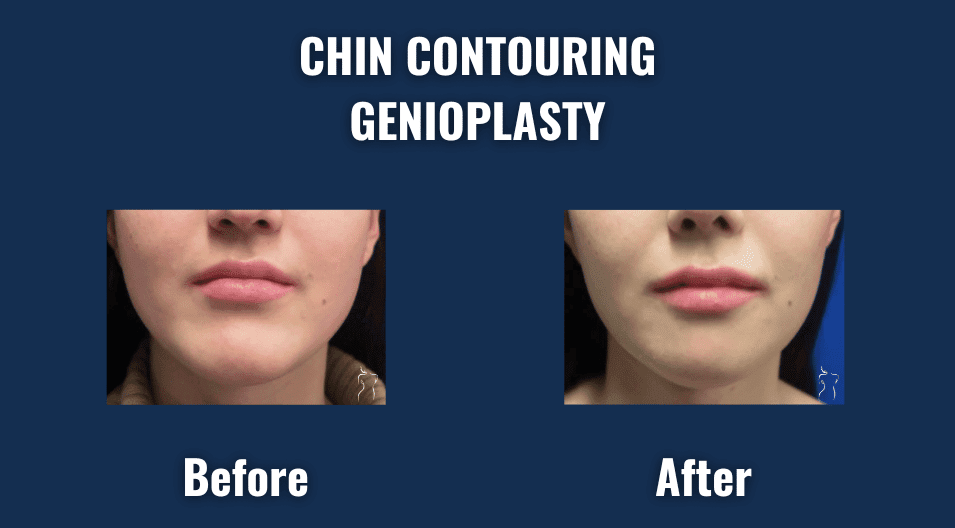
    Achieve Your Ideal Jawline: Comprehensive Jaw Contouring Surgery at Pacific Sound Plastic Surgery

    Welcome to Pacific Sound Plastic Surgery, your premier destination in Bellevue and Seattle, Washington, for expert jaw contouring surgery. Led by Dr. Kristopher M. Day, MD, FACS, a distinguished double-board certified facial plastic surgeon, our practice specializes in enhancing facial aesthetics through advanced craniofacial and reconstructive procedures.

    Understanding Jaw Contouring Surgery

    Jaw contouring surgery, also known as mandibular contouring, is a transformative procedure designed to reshape the jawline for both aesthetic enhancement and gender affirmation purposes.

    Aesthetic Enhancement: Many individuals seek jaw contouring to achieve a more balanced and harmonious facial appearance. This procedure can address concerns such as a square jawline, asymmetry, or disproportionate facial features, providing smoother contours and improved facial harmony.

    Gender Affirmation: For those pursuing gender affirmation, jaw contouring plays a crucial role in achieving a facial appearance that aligns with their gender identity.

    • Feminization: Dr. Day specializes in feminization procedures, focusing on softening the jawline, reducing angularity, and creating a more delicate and feminine profile.
    • Masculinization: He also excels in masculinization surgeries, creating a stronger, more defined jawline through advanced techniques in jawbone augmentation and chin enhancement.


    Meet Dr. Kristopher M. Day, MD, FACS

    Dr. Kristopher M. Day is a highly regarded facial plastic surgeon with extensive training and expertise in craniofacial surgery. He is double-board certified by the American Board of Plastic and Reconstructive Surgery as well as the American Board of Surgery and has completed a special fellowship in facial surgery. Dr. Day’s dedication to patient care, combined with his artistic approach to facial aesthetics, ensures that each patient receives personalized treatment and achieves natural-looking results.


    Why Choose Pacific Sound Plastic Surgery?

    • Expertise: Dr. Day’s specialized training in facial plastic surgery and craniofacial procedures sets him apart, ensuring the highest standard of care and safety for every patient.
    • Comprehensive Approach: Our practice offers a comprehensive range of facial plastic surgery services, including jaw contouring, rhinoplasty, facelifts, and more, tailored to meet your individual goals.
    • Patient-Centered Care: At Pacific Sound Plastic Surgery, we prioritize patient comfort and satisfaction. From your initial consultation through recovery, our team is dedicated to supporting you every step of the way.


    The Procedure and Recovery

    During your initial consultation, Dr. Day will conduct a thorough evaluation of your facial structure and discuss your aesthetic goals in detail. Depending on your unique needs, jaw contouring surgery may involve techniques such as orthognathic surgery, genioplasty, or jawbone reshaping. Dr. Day utilizes state-of-the-art surgical techniques to achieve precise and natural-looking results, ensuring minimal downtime and a comfortable recovery experience.


    Schedule Your Consultation Today

    Are you ready to transform your jawline and achieve facial harmony through jaw contouring surgery? Schedule a consultation with Dr. Kristopher M. Day at Pacific Sound Plastic Surgery in Bellevue or Seattle, Washington. Take the first step towards enhancing your natural beauty and achieving your aesthetic goals.

    Contact us at +1 (425) 818-8991 or visit our website https://krisdayplasticsurgery.com/ to learn more about jaw contouring surgery and our comprehensive range of facial plastic surgery services. We look forward to helping you look and feel your best with personalized care and expertise from Dr. Kristopher M. Day, MD, FACS.