What to Expect During Your Plastic Surgery Consultation

What to Expect During Your Plastic Surgery Consultation

It can be intimidating to reach out for help of any kind, let alone the kind that might involve discussing highly personal issues that you might be self-conscious about. But despite these real concerns, feelings of anxiety need not be part of a plastic surgery consultation. The creation of a safe space for open sharing without pressure and in a non-threatening environment are fundamental parts of your consultation.

It starts with an inviting and authentic culture of caring. We truly enjoy and believe in what we do, which we hope shows through to each new potential patient that comes in for a consultation. Next is getting to know you as a person to understand your specific reasons for reaching out for possible treatment. This helps us understand your goals. Some patients request a specific procedure or product first, which is sometimes reasonable, but we believe that most important is a mutual understanding of the goals you are trying to achieve and designing a customized treatment plan that can help you achieve them.

At Pacific Sound Plastic Surgery you are not pressured to undertake any procedure or treatment. We believe that providing information to potential patients, along with the options, risks, and benefits of each can inform and empower each person to make the choice that is best for them. There are many elements to consider when choosing an approach, whether they be recovery time, outcome expectations, cost, or other considerations. You will receive general information about each option and then transition into more specific details about the plan that sounds most in line with your goals.

Then comes the specifics, such as determining, for example, your preferred size of breast implant, the individual features of your face and neck you want to rejuvenate in your facelift, or the areas of wrinkling that you want Botox to address. We discuss the procedure itself. Dr. Kristopher Day enjoys drawing your surgery for you to help you visualize the process, as well as encourage further dialogue about the details of the recovery process, any activity limitations, special garments, drain cares, or other important details that follow your procedure. There is time for description of any insurance preapproval or out-of-pocket payment plan.

At your preoperative appointment, we review the information we have discussed and then explore any questions you might have. We also like to describe the surgical day check-in process and preoperative instructions so that there are less unknowns. We send prescriptions and make follow-up appointments before your surgical day so that you are most prepared and review medication and discharge instructions. A preoperative packet is completed before the surgical day so that all you need to do is arrive and go through the check-in process. We believe this allows you to focus on the important aspects of your recovery process, such as arranging whatever care provider, special cushions, or other resources might make you most comfortable.

The surgical and non-surgical experience in plastic surgery is a journey that starts with your consultation. Make sure that your surgeon and the practice you choose is focused on you and your well-being from start to finish. At Pacific Sound Plastic Surgery we are proud to put you and your goals first from the start of your consultation. So reach out to us today to learn what personalized care plan we can explore with you to achieve your goals!

Different Types of Neurotoxin

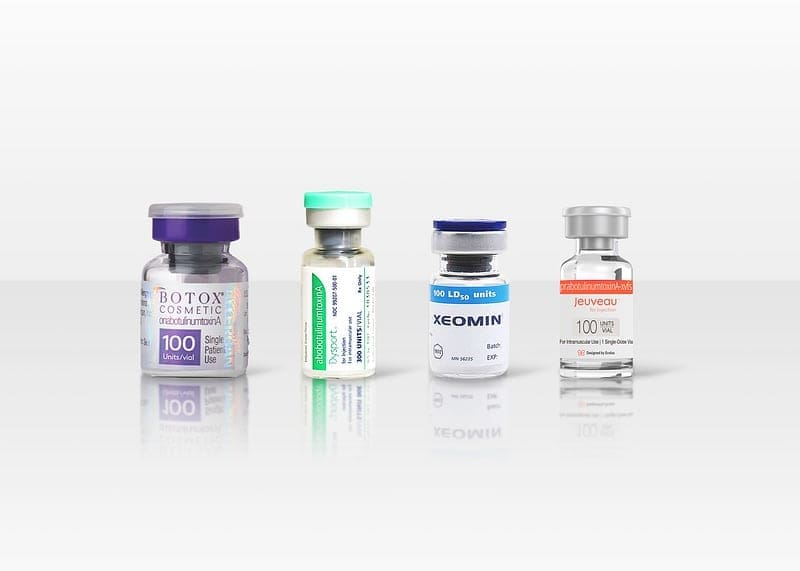
Botox-Dysport-Xeomin-Jeuveau

Different Types of Neurotoxin

The injection of toxin is the most common elective aesthetic treatment in plastic surgery. But sometimes there is confusion about what the treatment options are, various pros and cons, and the reasons to seek one neurotoxin over another. “Botox” is sometimes referred to the way “Kleenex” is referred to for tissues: a generic term for what is actually a brand name for one of multiple different neurotoxins used to treat wrinkles. This is probably because Botox is the original and most common agent used to paralyze facial muscles for the purpose of youthful rejuvenation. However, there are actually four different types of neurotoxin treatments, all of which are effective at reducing the appearance of wrinkles and fine lines. However, there are subtle differences between Botox, Dysport, Xeomin and Jeuveau. So here is some information that people often consider when selecting a neurotoxin treatment.

Our muscles rely on neurological signals to contract. Fundamentally, all neurotoxins work about the same when it comes to the treatment of fine lines and wrinkles (otherwise known as “rhytids”). Your brain tells muscles to contract through communication along nerve fibers with motor nerve endings that stop just before the muscle starts. If a muscle remains in a contracted state or repeatedly causes creases in the same location on the skin, then it can lead to the formation of wrinkles or fine lines or even pain (eg, headaches). Neuromodulators relax muscles and prevent their contraction by blocking neurological signals at the end of nerves. This, in turn, prevents the muscles from folding the skin repeatedly, and therefore prevents the formation of wrinkles.

Botox is a toxin made by Allergan that with a specific formula known as onabotulinumtoxin A. It’s injected directly into muscle tissue for the purpose of blocking neurological signals to the respective tissue. Dysport is made by Galderma and is an injection containing a different formulation, called abobotulinumtoxin A, which is also designed to block neurological signals to the targeted muscle tissue. Xeomin is produced by the German pharmaceutical company Merz Pharma GmbH & Co and uses incobotulinumtoxin A. Also known as “Newtox,” Jeuveau is made by Evolus and is an injection that uses botulinum toxin type A.

In terms of onset, Dysport is the fastest in as little as a few hours. Botox takes about 3 days, whereas Xeomin takes approximately 4 days to see the effects, which makes it the slowest onset, and Jeuveau is in between. All four types of injections have been approved by the U.S. Food and Drug Administration (FDA), but their approvals are each somewhat different. Botox was first approved in 2002 to treat moderate to severe facial wrinkles and is used on the forehead (upper transverse lines), glabella (lower vertical lines), and the lateral canthal area or “crow’s feet” lateral to the eyes. Dysport is technically only approved for glabellar wrinkles and cervical dystonia, since 2009. Since 2010, Xeomin has been approved for the treatment of blepharospasm and cervical dystonia. Jeuveau is approved for cosmetic purposes only. Both Botox and Dysport contain additives, which assist in the spread of product, but also require refrigeration, unlike Xeomin, which is stored at room temperature.

One of the benefits of having multiple different types of toxin to choose from is having options. Another is having alternatives in the setting of resistance. Over time, certain agents may become less effective due to the creation of antibodies by a patient’s immune system after repeat treatments. While this is rare, changing agents may be the best option if one’s primary treatment regimen becomes no longer effective.

In terms of the number of units used, Botox and Xeomin use similar amounts of approximately 20 units per treatment area for “full effect.” Dysport is generally twice as many units, though each unit costs less, which often offsets any difference in overall price. Jeuveau requires the most units of all four but usually costs the least per unit.

The summary is that Botox, Dysport, Xeomin and Jeuveau are all injections that paralyze muscles to prevent the formation of fine lines and wrinkles. The difference is the formula of the compound, which produces slightly different properties, but all create the effect of blocking neurological signals, paralyzing facial muscles, and decreasing wrinkles. At Pacific Sound Plastic Surgery we primarily use “name brand” Botox by Allergan but can obtain any of the four different products. If you’re interested in learning more about neurotoxin options or want to come in for treatment, simply reach out for your consultation!

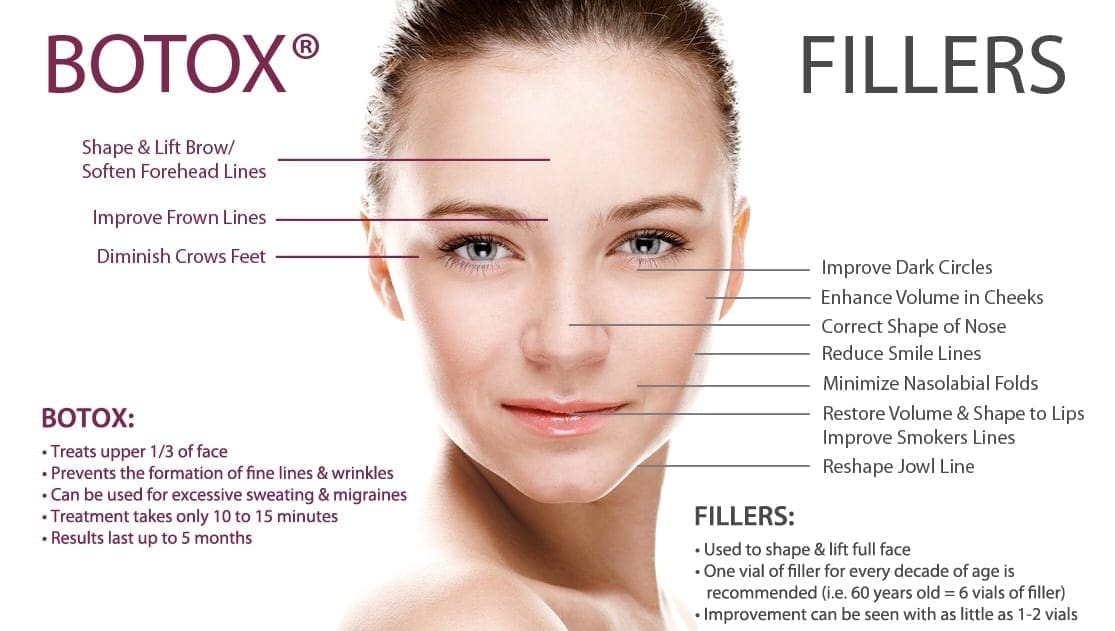
Botox and Dermal Filler “3-to-5 Rule”

Botox-Fillers-Dermatology

Botox and Dermal Filler “3-to-5 Rule”

We should start by saying that this rule-of-thumb is by no means scientific. It is just a way of summarizing the post-treatment counseling for patients after Botox and dermal filler in a way that is easy to remember. You will often hear different timelines, and some activities are important to avoid for longer periods of time. But no instructions are effective if you cannot remember them, so the “3-to-5 Rule” is what we find to help patients remember the timelines to expect after Botox injection. It goes like this:

  1. Hours: For 3-5 hours after your Botox or dermal filler injection, think “upright and lazy.” What does this mean? In more detail, this outlines several activities that could cause increased blood flow to the face and/or compression of the facial tissue that could either displace your product or increase the risk of bruising. These specific things to avoid include avoiding: Rubbing your face, lying on your face or lying down, strenuous exercise, alcohol intake, deep facial cleansing, heat and sun.
  2. Days: Often the results of neurotoxins are immediate. However, it may take up to 3-5 days to see complete paralysis of the muscles and relaxation of your expression. So it is important to remember to wait up to 3-5 days to see the effect of Botox or neurotoxin on your muscle movement. The corollary to this for dermal fillers is that, while we generally want to avoid bruising, it is possible to have bruising and initial swelling for up to 3-5 days. Lastly, if you take any blood thinners, it is best to avoid these (if considered safe by your prescriber) for at least one day before and after your injection.
  3. Weeks: If you receive treatment consistently with neuromodulators without a lapse in therapeutic effect, then there is likely no delay to the results you will notice on your wrinkles. However, if you haven’t been treated for some time, then it is possible that you will not see the results on the skin for 3-5 weeks after injection. Likewise, there are many dermal fillers, such as hyaluronic acids (HA; such as Juvederm and Restylane), PLLA/Sculptra, and others that volumize over time. Hyaluronic acid products recruit water to the site of injection over about 3-5 weeks, whereas Sculptra stimulates collagen production over greater than 3-5 weeks (more likely 6 weeks). So 3-5 weeks is a period of time that it is important to wait for the full effect of a neurotoxin on wrinkles or experiencing the full volume from a filler product.
  4. Months: Botox lasts approximately 3-5 months. Patients report variation in the duration of their neurotoxin results. Some with higher metabolism or higher activity lifestyles tend to claim their results resolve in 3 months, whereas others say they notice effects as long as 6 months. Allergan, the makers of Botox, recommends repeat treatment every 4 months. Other neurotoxins are different, such as Dysport, Xeomin, and Jeuveau, have different durations of action, and dermal fillers like HA’s generally last between 12-18 months, whereas Sculptra lasts approximately 24 months. So this part of the rule of thumb doesn’t typically apply to fillers or other paralytics. But, in general, the effects of Botox will last approximately 3-5 months.

Again, you will hear many different timelines for the above, and most of these are guidelines and not precise evidence-based principles. So take the above with a grain of salt. However, keeping the above Botox and dermal filler “3-to-5 Rule” in mind are all helpful guidelines to optimize results and inform expectations: 3-5 hours of restricted activities, 3-5 days to onset of effects, 3-5 weeks until full results, and 3-5 months for duration of treatment (Botox).

Call Pacific Sound Plastic Surgery today if you would like to explore Botox, Sculptra, Juvederm, or other neurotoxin or dermal filler treatment!

Different Types of Liposuction: What is Important?

Areas Treated by Liposuction 2-13-2023 KD DIFFERENT TYPES OF LIPOSUCTION:
Liposuction, or “suction-assisted lipoplasty,” refers to a procedure where fat cells are suctioned out of the body through small access points using a cannula that is attached to suction. That is probably the most basic description of “conventional liposuction.” There are, however, a number of other types of liposuction that most people have heard about, which use ultrasound, laser, heat, radiofrequency, and other additional treatments along with suctioning out fat cells. Then there are techniques, such as high-definition and other terms that are simply proprietary labels that companies have put on their different versions of the above, many of which have never been shown to be different than other versions of liposuction. So how does one make sense of it all? Well, the truth is probably that there are some benefits from additional variants of the “normal” liposuction, but like a lot of things, it’s not the variant that is important but the fundamentals that make a bigger difference.

Some of the fundamentals that make liposuction results best include the use of appropriate amounts of wetting solution, which is the fluid that is injected to get the fat cells out. This must be measured for safety, because this solution has medication in it that must be proportioned to each patient. The cannula that is selected is also important, because too large a cannula could cause contour problems. Using multiple access points allows for crisscrossing the pattern of fat removal for a smooth result. Also, keeping in mind how much removal a patient can tolerate safely during a given liposuction treatment is important, as there is fluid shift experienced by the patient. Many states limit a maximal amount of liposuction during one session to certain maximums to minimize complications. The anesthetic is also important, since liposuction can often be safely performed either under general anesthesia, moderate or “twilight” anesthesia, or awake with local anesthesia. Most often liposuction is performed under general anesthesia, and this is also a mark of accredited surgical facilities if they offer this option.

So before getting confused by trade names like “TriSculpt” or “Micro-Body Contouring” or “AirSculpt,” focus instead of the fundamentals, experience, and how much of connection you form with your surgeon during a consultation. These terms are generally not validated in any peer-reviewed literature, so may mean very little for the result that is achieved for you in your procedure.

Liposuction can treat the abdomen, hips, flanks, back, arms, legs, neck and other areas of the body. It is used as both an independent treatment as well as in conjunction with other treatments, such as during a “lipoabdominoplasty” or using liposuction as an adjunct treatment to harvest fat during fat grafting (e.g, a “BBL” or Brazilian butt lift), or in contouring areas of the body adjacent to the primary surgical area. Most liposuction procedures are performed in ambulatory surgical centers with same-day discharge and recovery at home. It is common to have fluid drainage, swelling, and bruising, but the recovery is generally well-tolerated. Fat removal from liposuction is permanent and will not cause accumulation of fat in other areas. Contour garments, postoperative optimization of nutrition and judicious exercise, and toning efforts further enhance results.

If you would like to learn more about liposuction, reach out to us at Pacific Sound Plastic Surgery by emailing Info@PacificSoundPlasticSurgery.com or by calling 425-818-8991 to schedule a consultation.

Scar Care

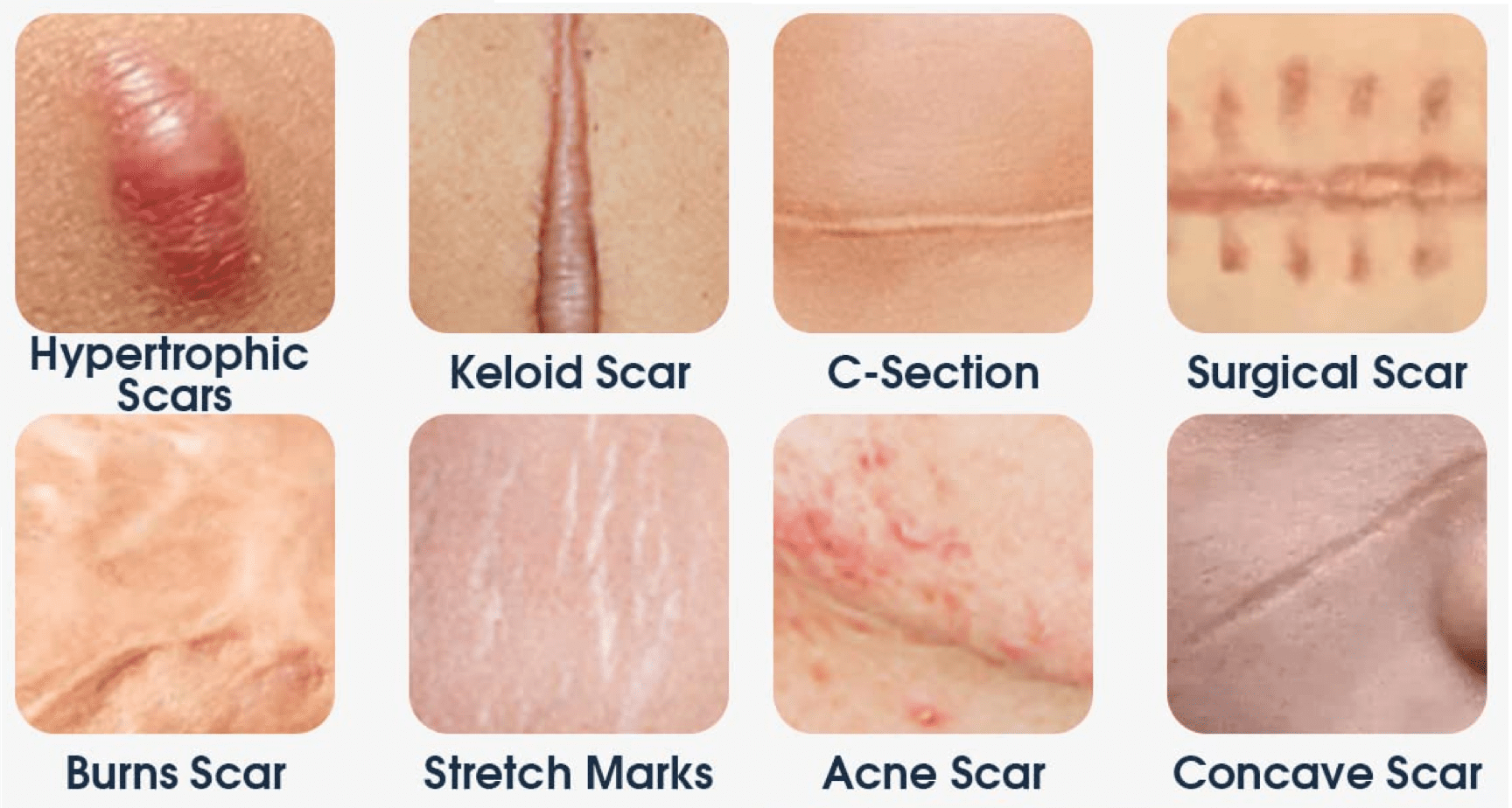
Scars

HOW TO MAKE YOUR SCAR HEAL BEST AFTER SURGERY: EASY AS 1, 2, 3!

Plastic surgery can transform and enhance one’s body and face but sometimes with the trade-off of scar burden. We first strive to creatively minimize visible scars, such as concealing the scar under clothing, within or behind natural tissue folds or pigment borders, or by using less invasive techniques that limit the amount of scarring in the first place. However, a truism that plastic surgeons know is that to have a large impact on the contour of the breast, abdomen, arms, legs, and face with surgery, some amount of scarring is inevitable. But that doesn’t mean it needs to be disfiguring. Scars heal with time and can be improved with a deliberate and thoughtful approach to their improvement. This short article describes a practical “1, 2, 3” approach to scar care that will help understand what to expect, how to best care for your scar, and sift through the countless products that are described to help scars heal.

We like to say that there are three main things you can do to improve the outcome of your scar so that long-term it is as discrete as possible. Those include small mechanical, thermal, and chemical interventions that – when applied repeatedly and over time – can help your scar heal as inconspicuously as it can.

First, think massage. Most people know what a firm, tough scar looks and feels like, either on yourself or someone you know. Whether it be from an injury or a procedure, scarring is your body’s way of healing a previous site of trauma, and it does that by laying down extra proteins to compensate for lost or damaged tissue in that area, often with overcompensation. Those extra proteins are then reorganized over time. In some ways, your scar and the way the body heals is not unlike clay in its’ drying process; first it is soft a moldable, then it get hard a firm. Massage is a way to flatten, optimally contour, and prevent a raised overgrowth of the scar, or what is known as a hypertrophic scar.

Second is skin protection. The skin goes through a lot. It copes with the constant daily rubbing of clothing, stretching at joints, and other wear and tear through turnover. This turnover works by making new, youthful, fresh skin cells at the base layers that migrate to the top layer and then are sloughed off. This is happening around your scar as well. So there are things we need to prevent so that your body can focus on simply healing and not overcoming additional insults. These may be specialized issues like not wearing an underwire bra after breast surgery or avoiding a tight belt after your tummy tuck. But most commonly its even simpler than that. There is one constant threat to the skin that we all face every day that is the most common risk to optimal scar healing from an outside exposure standpoint: the sun. UV rays are small amount of radiation that we are exposed to every day. Even if you’re not healing a scar, it’s a good idea to use UV protection to lessen the cumulative harmful effects of this continuous source of this subtly harmful exposure. But if you are also healing a scar, then that area of tissue needs to focus on healing, not in having to deal with additional outside exposure to the sun’s rays. So UV protection with either clothing coverage or a sunblock with SPF of 30 or greater is imperative for optimal scar healing.

We list the next item last, not because it’s not important, but because this is the one item that most people think of at the expense of those above to the detriment of best scar healing. So it’s important not to forget #1 and #2, but third would be topical ointments and creams. Scar ointments have probably traditionally received more credit than they deserve. The ingredients in scar topicals include onion extract, various vitamins, moisturizers, and a host of herbal and other elements. There is unfortunately no “perfect” scar cream that can “erase” a scar, because if there were likely none of us would have any. There are various materials that have been shown to improve the appearance of scars over time and many others that have no evidence behind their claim of improving a scar. The substance most shown to improve the appearance of scars over time is made with silicone. This is a key ingredient, because it essentially locks in moisture into a developing scar and keeps it supple and malleable (ie, the “clay” analogy above). We also believe in initially using a mild antibacterial ointment, such as bacitracin, for one week, followed by a mild moisturizing ointment, such as Aquaphor, for two weeks, followed by three months of a high-quality silicone topical ointment, Biocorneum, for up to three months. Each of these are simply applied twice a day with massage. See, it really is as easy as “1, 2, 3!”

There are multiple other interventions that can be taken to improve scar outcomes, most of which are best applied in a longer timeline after the first year of healing. A scar revision is a surgical procedure that basically cuts out the existing scar in order to close it in a more aesthetically favorable way. Then there is a role for minimally-invasive treatments, such as injection of Kenalog, micro-needling, laser therapy, and chemical peel for some circumstances. Keloid scarring is a whole other situation, which sometimes even employs radiation therapy along with steroid injections in addition to surgical excision.

If you would like to learn more about scar optimization, reach out to us at Pacific Sound Plastic Surgery by emailing Info@PacificSoundPlasticSurgery.com or by calling 425-818-8991 to schedule a consultation. Dr. Day has extensive experience guiding patients through a healing process to achieve their best results.

Abdominal Contouring and the Difference Between an Abdominoplasty and a Panniculectomy

Tummy Tuck Vs Panniculectomy

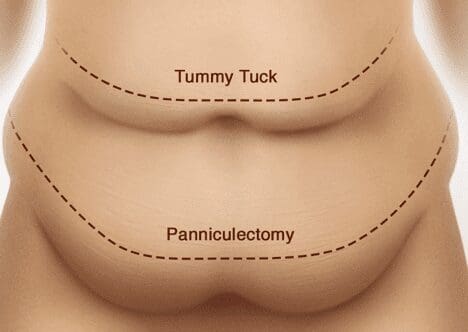
ABDOMINAL CONTOURING OPTIONS: WHAT IS THE DIFFERENCE BETWEEN A TUMMY TUCK AND A PANNICULECTOMY?

Maybe you are a hard-working mom of two who wants to get rid of the fold of skin in your lower abdomen, or you are a middle-aged man that had large weight loss after bariatric surgery with redundant skin folds, or you’re a young person who has worked hard on your diet but have extra lower abdomen tissue that gets in the way when exercising. Abdominal contouring surgery is commonly pursued following childbirth, significant weight loss, or when diet and fitness efforts fail to eliminate loose tissues of the belly. Excess fat that overhangs one’s pants, causes back pain, or prevents participation in activities is a nuisance that you don’t have to live with. But what is the procedure called to remove it? Well, there may be multiple options, but essentially there are likely two major different types of excisional (or tissue removal) ways to treat extra lower abdominal tissue: tummy tuck (or abdominoplasty) and panniculectomy. This describes the general concepts about which you may need.

An abdominoplasty, or tummy tuck, not only removes the extra skin and soft tissue of the lower abdomen but can also further shape the upper abdomen and lateral flanks with liposuction, as well as tighten the deep abdominal wall with what is called a “rectus plication.” So, while an abdominoplasty removes extra tissue in the vertical direction, this combination of procedures also improves the horizontal contour as well. A tummy tuck is fundamentally an aesthetic procedure that is meant to improve the appearance of the entire abdomen. It is virtually never covered by insurance and is typically performed in an ambulatory surgical center.

Unfortunately, sometimes an abdominoplasty is not an option for some patients. This is to mitigate risk of complications after an abdominoplasty, which is a larger surgery with greater risk for less-than-ideal surgical candidates. The most common limiting factor is usually body-mass index (BMI), which is a ratio of a patient’s weight to their height, which if over 35 (or ideally 30), prevents performing a tummy tuck. Medical issues that are less well-controlled, advanced age, abdominal scarring or other suboptimal soft tissue issues may be other reasons that prohibit an abdominoplasty.

A panniculectomy can be thought of as a “half-abdominoplasty.” This is a procedure that only treats the lower half of the abdominal tissue by removal of the excess skin and soft tissue of the lower abdominal fold. This can help with the elimination of skin-to-skin contact regions (or “intertriginous tissue”) so that rashes, ulceration areas, fungal infections, and other skin issues may be eliminated. Panniculectomy is designed to help with the contour of the lower abdomen and does not improve the shape of the upper abdomen or tissue around the belly button. The lower abdominal tissue only is removed in a panniculectomy, and the belly button, or umbilicus, is left in its native location. No rectus muscle plication, or deep “fascia” level tightening is conducted in this procedure, nor is there any upper abdominal contouring involved. Panniculectomy also does not treat the deep layers, such as the strong tissue called fascia that lies over the abdominal muscles and can cause a “rectus diastasis,” or pseudo-hernia, of the abdominal wall, which are typically repaired during an abdominoplasty. Liposuction is also not used typically during a panniculectomy, so there is little lateral abdominal contouring during a panniculectomy. It is simply the removal of the fold of excess skin and fat of the lower abdomen. While there is less cosmetic benefit from panniculectomy, it is the safer procedure for some patients and panniculectomy does not prevent a future abdominoplasty.

If you are interested in an abdominal contouring procedure but do not know which you are a candidate for, then feel free to reach out for a consultation. Dr. Day has extensive experience in abdominoplasty, panniculectomy, and a range of other abdominal contouring techniques and will design a customized approach to help you achieve your best results!

Recovery After Plastic Surgery

Slide1

WHAT EXPECTATIONS SHOULD I HAVE AFTER MY SURGERY?

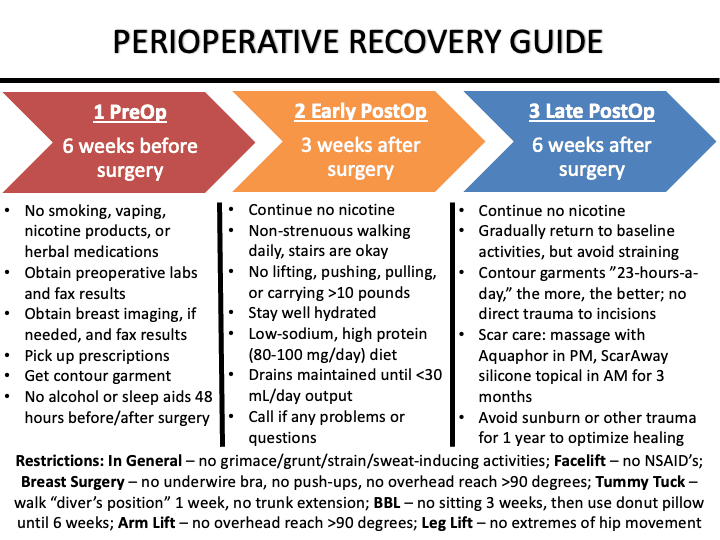
Any surgical procedure is going to require some period of post-operative recovery. Elective aesthetic and suggested reconstructive plastic surgical procedures are no different. But that doesn’t mean that you shouldn’t have a surgery. Whether it’s something that you want for your own enhancement or something you need to overcome another condition, plastic surgery can be transformative in a good way. The process required to achieve the goals of an operation can extend before and after the surgery. We believe that it is important to set realistic expectations for recovery before surgery so patients can best prepare for their journey to their best result. This need not be complicated…in fact, it’s as easy as 1, 2, 3:

  • Stage 1: Preoperative Preparation, 6 weeks prior to surgery; This is the time to prepare your body for its best potential to recovery from the procedure. A surgery is a controlled traumatic event for the body, which may be overcome more readily if the body goes into that experience in the best state possible. This means good nutrition, hydration, no smoking or use of other forms of nicotine, and a stable healthy weight. It is important that preoperative planning steps are undertaken, including picking up postoperative prescription medications, obtaining screening tests like mammograms, obtaining preoperative laboratory tests as indicated, and avoiding significant amount of alcohol or any other mind altering medications (sleep aids, marijuana, etc…) at least 48 hours prior to (and after) the procedure. A good night’s sleep the night before will also make it more likely you will rebound that much faster after surgery.
  • Stage 2: Early Postoperative Period, 2-3 weeks after surgery; The immediate post-operative period is a time for rest, low-intensity activities, and avoidance of any behaviors that could derail a good surgical outcome. We tell our patients not to engage in any activity that involves grimacing, grunting, straining, or sweating for at least two weeks and not to submerge wounds under water in a bath, pool, or other body of water for that time as well. There are special activity restrictions specific to each procedure, such as bending at the waist for a tummy tuck, not sitting for prolonged periods of time for a Brazilian butt lift (BBL), and not doing overhead movements or chest-specific exercises for breast procedures. Patients may shower two days after their procedure and should follow whatever dressing instructions they receive, which usually includes removing any bandages at 48 hours but leaving steri-strips or skin glue alone to fall off on its own (which usually takes about 2 weeks). If you have a “Jackson-Pratt,” or “JP,” drain in place, then you need to strip the drain, empty it, and place it back to suction, recoding the output of each drain over 24 hours to determine when it can be removed during follow-up. Nutrition is especially important if you have had a larger body contouring surgery, such as a breast reduction or tummy tuck, and two to three protein supplement drinks are encouraged each day. Hydration and continued avoidance of nicotine are also of paramount importance.
  • Stage 3: Late Postoperative Period, 4-6 weeks after surgery; The later post-operative recovery period is the time to get back to your baseline in a gradual and judicious manner. We like to suggest that patients set a goal to do whatever they wound consider physically challenging before their operative at about a month after their procedure, slowly increasing the duration or intensity of exercises each day slowly and steadily. This is also the time to practice good scar care with the avoidance of sun exposure, massage, and application of scar ointments. A silicone-based scar ointment is best, and we can provide one of the best during your follow-up. For a more proactive approach, lymphatic or deep tissue massage can be employed from specialized centers. This is also the time to maximize your results by practicing good routine healthy diet and exercise practices.

If you would like to learn more about the process of recovery after surgery, reach out to us at Pacific Sound Plastic Surgery by emailing Info@PacificSoundPlasticSurgery.com or by calling 425-818-8991 to schedule a consultation. Dr. Day has extensive experience guiding patients through their journey to personal enhancement!

Insurance Coverage for Plastic Surgery

Health Insurance Cartoon

WHAT PLASTIC SURGERY IS COVERED BY INSURANCE?

Most people relate plastic surgery to cosmetic, or aesthetic, surgery exclusively. This is not a complete picture. Plastic and reconstructive surgeons perform all sorts of procedures, such: as breast reconstruction after a mastectomy for cancer, tendon reconstruction after a traumatic hand injury, or reconstruction of a leg wound after chronic vessel disease. None of these procedures would be considered cosmetic, and most insurances would fund the payment for the purpose of enhanced function. Strictly form-related conditions, however, are mostly not paid for by most insurance companies, unless that form-related condition is associated with other symptoms that limit a person’s function in a meaningful way that could be improved with plastic surgery. To understand the difference, one can compare a few procedures of the breast: breast reduction, breast lift, and breast reconstruction (after cancer).

Breast reduction, or reduction mammoplasty, and breast lift, or mastopexy, are two of the most common procedures in plastic surgery. Larger-than-desired breasts can cause neck and back pain, grooving where the bra strap sits, social self-consciousness, and impair activities like running and dancing. A breast reduction is the removal of breast tissue to result in a smaller breast. This is different than a breast lift, which also requires the removal of some tissue, but generally much less and only for the purposes of lifting, not to remove tissue or make the breast smaller. This is a key distinction because a breast lift is essentially never covered by insurance. However, a breast reduction is sometimes covered by insurance if certain criteria are met, such as taking off enough tissue to qualify the procedure as a reduction. While not all breast lifts involve size reduction, all breast reductions include a breast lift. The guidelines for how much is required to call a procedure a reduction in the eyes of an insurance company is determined by a patient’s height, weight, “body mass index,” and body surface area. This is outlined in the Schnur Scale, which is a list of breast tissue removal weights that are required to qualify for an insurance-covered breast reduction. So you basically have to have at least the mount to meet the Schnur Scale for an insurance-covered breast reduction.

Now compare the above to breast reconstruction. The Women’s Health and Cancer Rights Act of 1998 requires all group health plans that pay for mastectomy to also cover prostheses and reconstructive procedures. So, assuming you haven’t chosen a reconstructive procedure that varies from the standard of care, are working with a plastic surgeon outside of your health network or have some special exception in your plan (which your plan administrator could explain), then in virtually all cases the reconstruction after the removal of your breast tissue by mastectomy for cancer should be covered by insurance.

There are several other conditions in which insurance may or may not cover your procedure, such as panniculectomy (sometimes covered) versus tummy tuck (generally not covered). A panniculectomy is the removal of tissue from the lower abdomen for reasons of reconstruction to remove excess skin that may cause dermatologic problems and/or back pain. It does not include tightening of the deep abdominal wall, or a “rectus muscle plication,” or the repositioning of the belly button. A tummy tuck includes these techniques for the purposes of not only removing extra skin and soft tissue of the lower abdomen but also to make the upper abdomen and flanks look better. A tummy tuck sometimes includes liposuction, whereas a panniculectomy involves only direct excision of tissue.

If you would like to learn more about whether a surgical procedure you have been considering might qualify for insurance coverage, reach out to Kristopher M. Day, MD, FACS by emailing Info@PacificSoundPlasticSurgery.com to schedule a consultation. Dr. Day has extensive experience in many conditions for the improvement or both form and function and looks forward to speaking with you about your goals!

Breast reduction, or reduction mammoplasty, and breast lift, or mastopexy, are two of the most common procedures in plastic surgery. Larger-than-desired breasts can cause neck and back pain, grooving where the bra strap sits, social self-consciousness, and impair activities like running and dancing. A breast reduction is the removal of breast tissue to result in a smaller breast. This is different than a breast lift, which also requires the removal of some tissue, but generally much less and only for the purposes of lifting, not to remove tissue or make the breast smaller. This is a key distinction because a breast lift is essentially never covered by insurance. However, a breast reduction is sometimes covered by insurance if certain criteria are met, such as taking off enough tissue to qualify the procedure as a reduction. While not all breast lifts involve size reduction, all breast reductions include a breast lift. The guidelines for how much is required to call a procedure a reduction in the eyes of an insurance company is determined by a patient’s height, weight, “body mass index,” and body surface area. This is outlined in the Schnur Scale, which is a list of breast tissue removal weights that are required to qualify for an insurance-covered breast reduction. So you basically have to have at least the mount to meet the Schnur Scale for an insurance-covered breast reduction.

Now compare the above to breast reconstruction. The Women’s Health and Cancer Rights Act of 1998 requires all group health plans that pay for mastectomy to also cover prostheses and reconstructive procedures. So, assuming you haven’t chosen a reconstructive procedure that varies from the standard of care, are working with a plastic surgeon outside of your health network or have some special exception in your plan (which your plan administrator could explain), then in virtually all cases the reconstruction after the removal of your breast tissue by mastectomy for cancer should be covered by insurance.

There are several other conditions in which insurance may or may not cover your procedure, such as panniculectomy (sometimes covered) versus tummy tuck (generally not covered). A panniculectomy is the removal of tissue from the lower abdomen for reasons of reconstruction to remove excess skin that may cause dermatologic problems and/or back pain. It does not include tightening of the deep abdominal wall, or a “rectus muscle plication,” or the repositioning of the belly button. A tummy tuck includes these techniques for the purposes of not only removing extra skin and soft tissue of the lower abdomen but also to make the upper abdomen and flanks look better. A tummy tuck sometimes includes liposuction, whereas a panniculectomy involves only direct excision of tissue.

If you would like to learn more about whether a surgical procedure you have been considering might qualify for insurance coverage, reach out to Kristopher M. Day, MD, FACS by emailing Info@PacificSoundPlasticSurgery.com to schedule a consultation. Dr. Day has extensive experience in many conditions for the improvement or both form and function and looks forward to speaking with you about your goals!

Anesthesia for Plastic Surgery

Anesthesia

What Different Types of Anesthesia Exist and Which One is Best for My Procedure?

Anesthesia and the choice of which type to use in your surgery is an important choice for the surgeon, anesthesiologist, and you: the patient. There are pros and cons to various levels of anesthesia, with the most common approach to use general anesthesia for most surgical cases. This refers to a patient that is all the way asleep with a breathing tube for support of respirations. Moderate, “twilight,” or “MAC” sedation refers to different levels of consciousness with some responsiveness but no memory of a procedure. Local anesthesia refers to an alert patient that has not been treated with inhaled or injected medication but has no or little feeling at the surgical site due to an injection in that area or in the nerves that lead to the site of a procedure. The general rule of thumb is that less anesthesia usually means the faster the recovery, but it is important not to use too little pain, awareness, and breathing support for safety. However, there are also circumstances when less anesthesia can mean a more accurate reading of a patient’s blood pressure or greater resting muscle tone in the legs to pump blood back to the heart, for example, making the risk of postoperative problems less. Some additional modification to optimize patient experience, pain control, safety, and post-operative recovery include the use of rapid, or enhanced, recovery priniciples, special long-acting pain medication during the surgery, and also combination medications that minimize opioid, or narcotic, pain medication usage post-operatively. For example, Dr. Day employs liposomal bupivacaine, or Exparel, a local anesthetic, which works to make a surgical area numb for up to three days after the operation, which helps patients recovery more quickly with less oral medication side effects. We work with anesthesiologists and nurse anesthetists who provide high quality patient care while surgery is performed. And all of us focus first and foremost on your comfort, safety, and best recovery plan.

At Pacific Sound Plastic Surgery we take the choices of your anesthesia, along with every decision about your operative experience, very seriously. This helps ensure your best experience in safety, comfort, and surgical results! Be sure to ask about your options for different types of anesthesia during your consultation.

What is a Gull Wing Upper Lip Lift?

Upper Lip Anatomy Photo

WHAT IS GULL WING UPPER LIP LIFT?

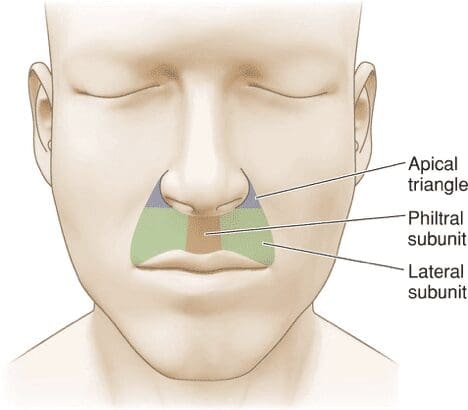
Most of the time when someone thinks of making their lips look better with a procedure they mean dermal fillers, such as Juvederm Ultra, Sculptra, Restalyne, or another hyaluronic acid derivative. But that’s not the only thing you can do to the lips to make them look more youthful, uplifted, feminine, and beautiful. In fact, the “gull wing” (or some say “bullhorn” or “Italian”) lip lift might be the best way to achieve many of the same objectives of lip augmentation without filler, which means it will last. Instead of adding volume alone, the gull wing lip lift can elevate the delicate skin of the upper lip towards the base of the nose with removal of skin and the subcutaneous tissue under the nose. The procedure thus moves the skin of the upper two-thirds of the lip to the base of the nose, or what’s referred to as the base of the ala and columella. If done with care, the features of the upper lip that make it attractive and distinguished, such as the philtrum, Cupid’s bow shape, and the white roll are all preserved with no loss of definition. Lip filler can still be used in combination with a gull wing lip lift, which would simply add that much more fullness, but unlike dermal filler, the effects of the gull wing lip lift last indfinately.

There are actually predictable ratios for upper lip attractiveness relative to the lower lip and other elements of facial anatomy. Some people have longer upper lips than others, which can sometimes conceal the upper front teeth when smiling. These are the patients who typically respond best to an upper lip lift. Some of the changes one can expect with a gull wing lip lift are:

  • Slightly upturned upper lip
  • A semblance of greater fullness of the upper lip
  • A more “pouty” upper lip contour when relaxed
  • Increased exposure of the upper front teeth with smiling
  • Youthful appearance of a shorter upper lip
  • More feminine upper lip characteristics

If you are interested in an upper lip lift, remember that this procedure requires surgery in an operating room and you should expect some recovery time. A gull wing lip lift is usually performed by a surgeon with advanced training in plastic and reconstructive surgery or other specific facial surgery expertise. The procedure can be performed as an outpatient in an ambulatory surgical center under light sedation or even only local anesthetic with nerve blocks to the upper lip and nose. A more youthful and improved upper lip appearance can be achieved with this subtle but impactful procedure.

If you would like to learn more about a gull wing upper lip lift, simply email Info@PacificSoundPlasticSurgery.com to schedule a free consultation with Dr. Kristopher M. Day, MD, FACS. Dr. Day has specialized training in facial surgery and is interested in learning more about your goals to make your lips look their best!