Buccal Fat Pad Excision

Buccal Fat Pad Intraop

WHAT IS A BUCCAL FAT PAD EXCISION?

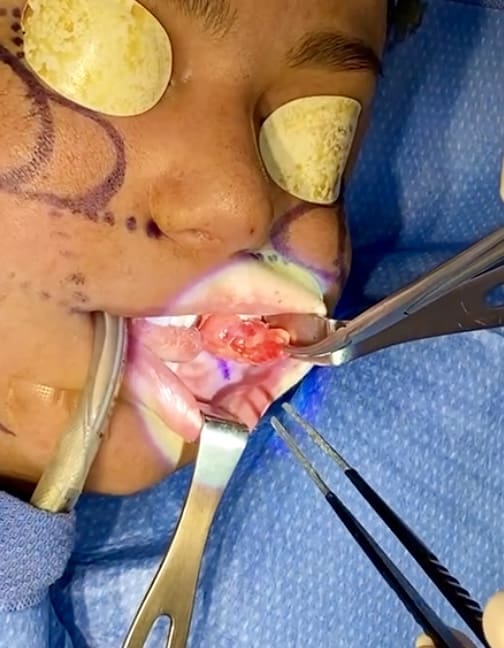
Buccal Fat Pad Excision is a procedure undertaken to slim the lower third of the face. The cheeks sometimes make the face appear wider than many patients want. They can be made to appear slimmer and more tapered with excision of the buccal fat pad. This is a well-defined sac of fat that exists in the deep layers of the lower cheek, which may be accessed through the cheek and into a compartment within the cheeks. To put it simply, this procedure can turn “chubby”-appearing cheeks into more defined and well-contoured cheeks that allow the face to assume a more tailored, heart shape with greater definition around the mouth and jawline. Some patients that seek facial liposuction will actually have better results with buccal fat excision, which is sometimes combined with Botox injection to the masseter muscles, neck liposuction, Kybella to the neck, facial fat grafting, or orthognathic lower jaw bone contouring procedures.

The best candidates for a buccal fat excision are patients that desire a more contoured lower facial profile. It is important that patients are in good health, do not smoke, lack a condition called pseudoherniation of the buccal fat, which can obscure best results, and have realistic expectations about the power of the procedure. For good candidates, a buccal fat pad excision can deliver:

  • Decreased fullness of the cheeks
  • Slimmer lower third of the face
  • Tapering of the lower face and cheeks
  • Decreased prominence of the tissue next to the lips with smiling
  • Enhanced definition of attractive curvatures of the lower face
  • A more heart-shaped and less rounded facial profile
  • Enhance cheekbones relative to the chin and jawline

If you are interested in a buccal fat pad excision, remember that this is a surgical procedure and you should expect some recovery time. It is usually performed by plastic and reconstructive surgeons and can be accomplished in either a general anesthesia, moderate anesthesia, or local anesthesia level of sedation, depending on patients’ preferences. Cost is often more reasonable than most patients expect, as the procedure is fairly straightforward and does not take a lot of surgical time. Some patients ask whether a CT scan is necessary, and it is not. The procedure involves an approximately 2 cm incision on the inside of the mouth, so there are no external marks of any kind. It is usually performed as an outpatient in an ambulatory surgical center and involves relatively minimal recovery time. Patients may seek to receive other facial or even body enhancement procedures at the same time as buccal fat excision without a problem in good candidates. often experience an uplifted outlook and renewed motivation for further physical fitness and toning.

If you would like to learn whether you are a candidate for a buccal fat pad excision, don’t hesitate to ask Kristopher M. Day, MD, FACS by emailing Info@PacificSoundPlasticSurgery.com to schedule a complementary consultation. Dr. Day has extensive experience in facial plastic surgery and always looks forward to discussing your personal goals to design a customized, safe, and individualized treatment plan tailored to your needs!

Breast Implant Associated Illness

BII Capsule

WHAT IS BREAST IMPLANT ILLNESS (BII)?

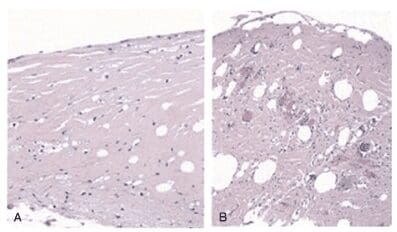
(The photo above is of a breast implant capsule without (A) and with (B) ruptured silicone contents. Wee C, et al. Understanding Breast Implant Illness, Before and After Explantation: A Patient Reported Outcomes Study. Ann Plast Surg 2020;85:S82-S86.)

Breast Implant Illness (BII) is a label given to a wide range of symptoms that a patient can experience after receiving aesthetic or reconstructive breast implants. It is also sometimes called “ASIA,” for: Autoimmune/Inflammatory Syndrome Induced by Adjuvants. I don’t know about you, but each time I see something given one acronym, let alone many, I try to stop and pay attention. Breast implants are either made of silicone or saline, but even saline implants have a silicone shell. In the vast majority of patients, silicone is a relatively inert substance, meaning that it doesn’t cause any harm after breast augmentation or reconstruction. However, sometimes an array of vague or what are called “constitutional” symptoms occur, which are best explained so far by the inflammatory response theory. This theory suggests that an over-active inflammatory response to the silicone in a breast implant could account for an array of symptoms (below), auto-immune or connective tissue disorders. It is important to remember that there remains controversy as to what really makes up BII, but suffice to say that if you experienced the majority of a confusing group of symptoms after breast augmentation, then it is worth talking to a plastic surgeon about whether this could be caused by your implants.

Some of the symptoms and conditions reported as related to BII are:

  • Joint and muscle pain
  • Chronic fatigue
  • Memory and concentration problems
  • Breathing problems
  • Sleep disturbance
  • Rashes and skin problems
  • Dry mouth and dry eyes
  • Anxiety
  • Depression
  • Headaches
  • Hair loss
  • Gastrointestinal problems
  • Alopecia
  • Raynaud syndrome
  • Lupus
  • Rheumatoid arthritis
  • Scleroderma

If you suspect that you may be affected by a combination of the above related to your breast implants, don’t hesitate to reach out to seek a free consultation. The keys to treatment of any condition that is caused by an offending agent is usually to remove that agent, and BII is no exception. BII is treated by removal of not only the implant but also the surrounding implant capsule, which is usually the site of interaction between the body and silicone. Keep in mind that this procedure requires surgery in an operating room and you should expect some recovery time. You may also experience deflated breast mounds that you will want to have rejuvenated with a lift procedure, or mastopexy. After removal of the implants, the majority of patients diagnosed correctly with BII experience recovery of their symptoms.

If you would like to learn more about BII, reach out to Kristopher M. Day, MD, FACS by emailing Info@PacificSoundPlasticSurgery.com to schedule a complementary consultation. Dr. Day has specialized training in breast surgery and extensive knowledge about BII. He would be happy talk to you more about this condition or other plastic surgery procedures.

Neck Rejuvenation

Neck Rejuvenation Photo

WHAT IS NECK REJUVENATION?

The neck is an area that we sometimes take for granted relative to its impact on the appearance of aging. While the face is the canvas upon which we paint the expressions we use to interact with others, the neck has been referred to as the frame for the pictures that are painted. And both the neck and the face undergo similar effects of aging, namely: loss of fullness from the atrophy of fat pads, droopiness or sagging from the stretching of skin adhesion structures, and skin breakdown from the chronic effects of the sun and other cumulative damage. So, you might ask, don’t you do similar things for the neck as you would to the face to improve its youthful appearance? And the answer is: yes, some treatments are quite similar, though there are certain additional minimally-invasive options when it comes to the neck.

There are basically two possible scenarios that lead most patients to seek rejuvenation procedures of the neck: too much fatty tissue, which is otherwise known as lipoadiposity, and too much skin, causing wrinkles (or “rhytids”) and sagging (or “ptosis”).

The neck is prone to display excess skin that can coalesce into vertical bands, which we call platysmal bands. Too much skin also produces wrinkles, which may be present at rest (“static”) or with movement (“dynamic”). If the issues you face are related to too much skin, then the best solution is probably surgery with either a neck lift or – more commonly – a combination neck and facelift (or “rhytidectomy”). These are surgical procedures that would require an operation as an outpatient and recovery in your home. They are reserved for healthy patients with controlled blood pressure who can tolerate a significant operation.

For patients with too much fatty tissue, there are a few other options. Neck liposuction is able to remove the fat in the layer under the skin. This can improve the angle of the neck and the contour of the lower jaw. A chemical injection, called Kybella, can also achieve a similar effect, though it is a more subtle effect and may require repeat treatments. Neither of these procedures eliminate wrinkles or extra skin, so they should be used for patients with mostly too much fatty tissue and no sagging. But for appropriate patients these treatments offer improvement without and incision or scar and with less downtime.

Regardless of which approach to neck rejuvenation you may be interested in, an evaluation in a surgical consultation is the next step for any treatment inquiry. So don’t wait to ask Dr. Kristopher Day, MD, FACS of Pacific Sound Plastic Surgery to be seen for your free consultation by reaching out to info@pacificsoundplasticsurgery.com. You will then have the opportunity to describe your specific goals for your individual customized treatment plan.

Lipo 360

Latin woman in baggy pants, indoors, over a white wall. Weight loss concept.

WHAT IS A 360-DEGREE LIPOSUCTION?

The term “360-Degree Liposuction” describes conducting suction lipectomy (another name for liposuction) all the way around the waist. This targets removal of upper back or bra roll, lower back, anterior and posterior hip, mons pubis, and abdomen fat to achieve a more contoured waistline. This “Lipo 360” can thereby achieve a more sculpted waistline that also impacts the S-curve contour of the flank region of the body so that the lower hips and buttock appear fuller compared to the abdomen, love handles, and waistline. The procedure is a less-invasive option to achieve abdominal rejuvenation without the scar that is associated with an abdominoplasty or belt lipectomy. Lipo 360 may be readily combined with a buttock augmentation, Brazilian Butt Lift (or “BBL”), which uses the fat removed to increased buttock size, contour, and projection.

The best candidates for a 360-degree liposuction are patients that need some additional help removing residual fat after diet and exercise have fallen short in patients that are not ready to undergo an abdominoplasty, or do not have significant excess skin and soft tissue. In the right patient, a Lipo 360 can deliver:

  • Elimination of excess fat along the belt line
  • More hourglass contour of the trunk
  • Deceased prominence of the hips, saddle bags, abdomen, and mons pubic regions
  • Improved fit of clothing at the waist
  • Increased self-confidence

If you are interested in a Lipo 360, remember that this is a surgical procedure and you should expect some recovery time. 360-degree liposuction is usually performed by plastic and reconstructive surgeons. In good candidates, it can be performed as an outpatient in an ambulatory surgical center, though recovery time is often proportional to the amount of fat removed. Patients who undergo a 360-degree liposuction often experience an uplifted outlook and renewed motivation for further physical fitness and toning.

If you would like to learn whether you are a candidate for a Lipo 360, don’t hesitate to ask Kristopher M. Day, MD, FACS by emailing

Info@PacificSoundPlasticSurgery.com to schedule a complementary consultation. Dr. Day has extensive experience in all varieties of abdominal rejuvenation, including 360-degree liposuction, and looks forward to discussing your personal goals!

Dual Plane Breast Augmentation

Dual Plane Breast Augmentation Figure

WHAT IS A “DUAL PLANE” BREAST AUGMENTATION?

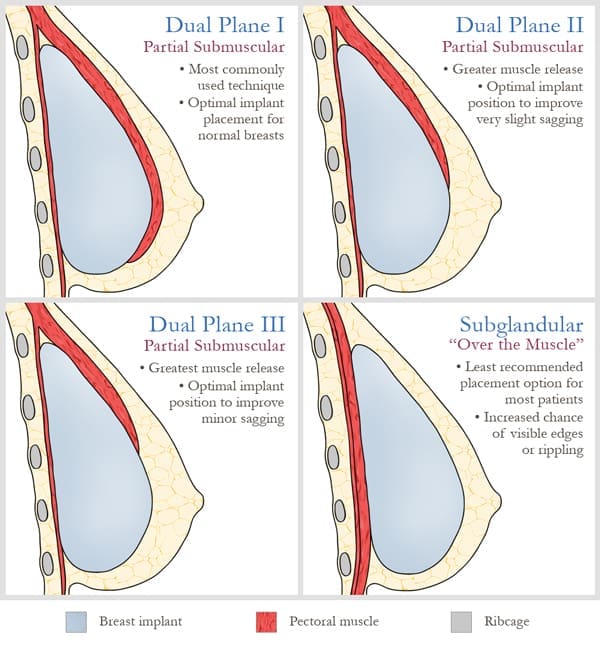
A breast augmentation is a procedure performed to increase the size of the breasts, but not all breast augmentations are the same. Breast augmentation can be accomplished by inserting implants made out of either silicone or saline through an incision, which is most commonly placed in the fold under the breast, or inframammary fold. But what about how an implant is surgically inserted? You may have heard of the difference between a sub-mammary and a sub-muscular breast implants, but maybe were not aware that there is an approach that combines some of the advantages of each without as much of the drawback of either called “dual plane” augmentation. Dual plane augmentation mammoplasty is a modification of the procedure that involves dissecting between the breast tissue and pectoralis muscle layer (sub-mammary augmentation) as well as between the pectoralis muscle and the chest wall (sub-muscular augmentation). The reason this is advantageous is that it causes the fan-shaped pectoralis muscle to slide up and “window-shade” off of the lower portion of the breast implant. The effect this has is similar to the way blinds that are partially open allow light in the lower portion of a window but not the upper; likewise, the lower pole of the breast has more implant prominence than the upper, making for a more natural curvature of the breast mound. This has a similar effect as a shaped implant without using an actual shaped implant. It also allows for protection from capsular contracture, or an “over-scarring phenomenon” of the lining around the breast implant, while still providing precise placement and defined projection. A dual plane breast enlargement should not only make the breasts larger, but also create a natural and tailored result that allows for a discrete recovery while still experiencing maximal results.

If you are considering a dual plane breast augmentation, then feel free to inquire if you are a candidate. Some things you can expect from a dual plane breast augmentation are:

  • Fuller lower half of the breast with less noticeable upper breast implant prominence
  • Less risk of issues associated with either under-the-muscle or under-the-breast tissue augmentation mammoplasty
  • Less risk of an implant placed too high
  • A more natural breast contour that fills out more in the lower half in the manner that most non-augmented breasts are shaped

If you are interested in a breast augmentation, remember that this procedure requires surgery in an operating room and you should expect some recovery time. Breast tissue is also routinely screened for cancer with a mammogram, ultrasound, or other imaging study, which is important to complete prior to performing surgery on the breast. An augmentation mammoplasty is performed by plastic and reconstructive surgeons and produces a small scar on or around the breast. In good candidates, a breast augmentation can be performed as an outpatient in an ambulatory surgical center. For patients with gials like those above, a dual plane breast augmentation is a great way to achieve a natural-appearing fuller chest.

If you would like to learn more about a breast augmentation, reach out to Kristopher M. Day, MD, FACS by emailing Info@PacificSoundPlasticSurgery.com to schedule a complementary consultation. Dr. Day has extensive experience in breast augmentation and enjoys exploring the options with patients in order to customize their best outcome!

Internal Bra Breast Augmentation

Slide1

WHAT IS AN INTERNAL BRA BREAST AUGMENTATION?

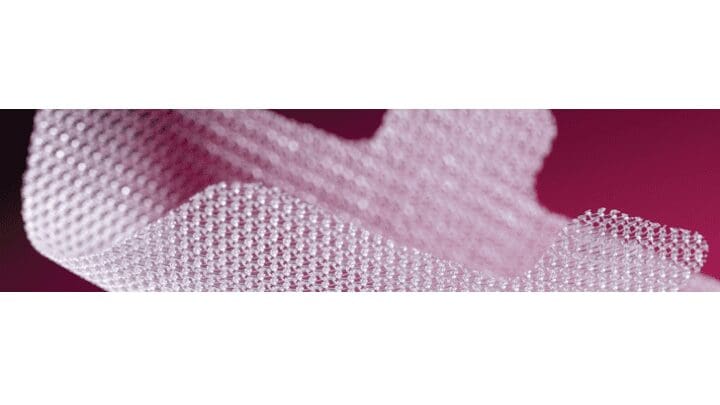
Breast augmentation is a surgical procedure that usually uses silicone or saline implants placed either under or above the chest muscle to enlarge the chest. The external soft tissue is usually sufficient to support a breast implant, but sometimes additional support is required, such as after significant weight loss or other impact on the chest that thins the skin and fatty tissue under the skin, or in the case of surgical revision of a previous augmentation procedure. While complication rates are low, sometimes various conditions can arise after a previous breast augmentation that requires that augmentation to require revision surgery for things such as: implants misplaced or asymmetric implant position, capsular contracture, rippling, or contour irregularities. All of these conditions may be improved with the use of an “internal bra,” which refers to a support mesh that is placed – along with the implant – into the chest cavity to buttress the implant itself. This mesh is later resorbed, but first the tissues around it have healed into a supportive structure, called a capsule, that supports the implant. The use of an internal bra can assist in supporting an implant in a position that allows for: repositioning implants into a more ideal position, taking some of the stress off of the soft tissue envelope to support the implant, preventing sagging, or “ptosis,” from occurring as quickly, correcting previously mal-positioned implants, or simply to support a larger implant. So, for some patients, the internal bra technique may be key to their long-lasting, most natural, and best outcome. And the internal bra procedure is not just reserved for augmentation revision, but may also be used in primary, or first-time, breast augmentation, or it may be used in primary or revision augmentation-mastopexy. If you may be interested in the internal bra procedures, contact us at info@krisdayplasticsurgery.com or at 425-818-8991 to learn more about internal bra breast augmentation or augmentation-mastopexy. This may be key to reach your plastic surgery goals. We look forward to speaking with you for your free consultation.

Enhanced Recovery After Plastic Surgery

Slide1

WHAT IS “RAPID RECOVERY” AFTER SURGERY?

Any surgery can essentially be performed in one of three settings, either: in a hospital where you stay overnight, on a hospital campus where you go home after surgery, or in a free-standing surgery center where you go home after surgery. So, basically, in two out of three of the possible situations listed, patients may go home after a short recovery period in a post-operative care unit and recovery in the comfort of their house. Of course, it’s important that patients are relatively healthy and that the procedure is not too taxing if they are to go home the same day. But even if those things are true, it doesn’t change the fact that surgery is nearly always associated with some degree of pain, and no one wants any more pain than is necessary, especially when going home to recover. So what’s the best answer to this challenge? Rapid, or “enhanced,” recovery concepts have become so important after all kinds of surgeries, including many plastic surgeries, that there are now international organizations that promote multi-faceted approaches to improving patients’ post-operative experiences so that they can not only endure their post-operative recovery but also be more comfortable so they function well and avoid post-operative complications. Did you know that it’s the sitting still after a procedure that could lead to blood clots and less-than-ideal breathing and digestion? When a patient’s pain and swelling are more controlled, studies have shown that they are then more appropriately active, walking, taking deep breathes, and are able to get better nutrition, because they have less side effects from pain medications, such as constipation. There are a number of ways to achieve these goals by the way a surgeon designs patients’ preoperative, intraoperative, and postoperative journey. I emphasize rapid and enhanced recovery principles during each of these phases of surgery. My patients first receive realistic expectations about surgery so they can recruit a support system to help them through the process and know what to expect. They then receive special nerve block and anti-bruising medications during surgery for less pain when they wake up and thus rely less on postoperative pain medications by mouth, which can have more side effects. After surgery, an approach called “multi-modal” pain control is used that deceases the reliance on narcotic pain medications by controlling pain from multiple angles. There are even technical maneuvers that can limit the need for postoperative drains and other cumbersome elements that could otherwise slow recovery. I also believe it’s important to support patients mentally and emotionally by encouraging reasonable social activities, such as going out to dinner or to a movie the next day or simply getting out of the house with their partner, friend, or family member to take their mind off of their surgical recovery. Lastly, I partner with other area healthcare support providers to engage helpful assistance for patients beyond myself to navigate the recuperation process. These are only a few of the ways that Pacific Sound Plastic Surgery works to put the patient and their experience at the forefront of what we do to help ensure that patient become their best on the outside while also being supported through the journey with enhanced recovery principles. Patients therefore should have less pain, less restricted movements, and a less painful recovery with less risk of complications and side effects of medications. So if you’ve considered plastic surgery but been afraid of the discomfort it may cause, come talk to me about rapid recovery so that you can experience the least discomfort possible to achieve an uplifting and rejuvenating experience that helps you reach your personal goals safely and with less pain. Email info@pacificsoundplasticsurgery.com or call 425-818-8991 to learn more about the procedures we offer and our approach to more rapid post-operative recovery.

Breast Augmentation

Collagen rejuvenation beauty standard concept. Close up portrait of frustrated nervous woman wearing classic white bra measuring breast biting lips isolated on background

WHAT IS A BREAST AUGMENTATION?

A breast augmentation, or augmentation mammoplasty (or what some call a “boob job”), is a surgical procedure intended to increase breast size. This is usually achieved by inserting implants that are made out of either silicone or saline through an incision most commonly in the fold under the breast. There are also less common approaches that use a patient’s own fat from other parts of their body, or a combination of fat and implants. Augmentation mammoplasty is sometimes combined with a breast lift if there is a significant amount of sagging of the breast prior to augmentation, either at the same time (augmentation-mastopexy) or during a separate surgery.

An augmentation mammoplasty should not only make the breasts larger, but if the surgery is well-planned and executed, then it can also improve breast contour, symmetry, and fullness, thereby resulting in an overall better-appearing chest. Size selection is ultimately each patient’s choice, and it is common for some to want a more natural result while others seek a more noticeable change. Breast augmentation can also overcome naturally-occurring anatomic imperfections that occur in some women, such as constricted or asymmetric breasts. Some things you can expect from a breast augmentation are:

  • Fuller, larger breasts
  • Increased definition of the upper breast
  • Tightened appearance of the breast tissue
  • Increased symmetry of breasts that significantly differ in size or shape
  • More youthful appearance of the chest
  • Increased self-confidence

If you are interested in a breast augmentation, remember that this procedure requires surgery in an operating room and you should expect some recovery time. Breast tissue is also routinely screened for cancer with a mammogram, ultrasound, or other imaging study, which is important to complete prior to performing surgery on the breast. An augmentation mammoplasty is performed by plastic and reconstructive surgeons and produces a scar on or around the breast. In good candidates, a breast augmentation can be performed as an outpatient in an ambulatory surgical center, though recovery time is proportional to the complexity of the procedure. Patients who undergo a breast augmentation are usually thrilled they decided to act on their desire for a fuller chest.

If you would like to learn more about a breast augmentation, reach out to Kristopher M. Day, MD, FACS by emailing Info@KrisDayPlasticSurgery.com to schedule a complementary consultation. Dr. Day has extensive experience in breast augmentation and loves designing an individualized surgical plan to meet each patient’s goals!


The No Touch Technique

Keller Funnel 3-11-2022 KD

WHAT IS A KELLER FUNNEL AND THE “NO-TOUCH TECHNIQUE” IN BREAST AUGMENTATION?

Breast augmentation is usually accomplished with an implant, which is either made out of silicone or saline. Implants can be supported by the body’s own tissue, but it is important that no bacteria are introduced at the time of placement. This is to ensure both that infection does not occur acutely, but also that an “over-scarring” phenomenon, known as capsular contracture, does not happen later. There are a number of things a surgeon can do to prevent both of these from happening, including the use of antibacterial fluid washes of the surgical site and injection of antibiotics during surgery, as well as the use of a device called the Keller funnel to facilitate the “no-touch” technique. The Keller funnel is a device that was developed by a plastic surgeon to minimize the amount of contact that the hands of the surgeon and surgical technician have with a breast implant. When used correctly, this device can prevent any contact with an implant from its sterile package to placement within the chest. It was originally modelled after a cake pipetting tool but has undergone a number of revisions to its current state of highly regulated and studied use and approval by the FDA. It’s use involves taking a breast implant from its sterile packaging and essentially pouring it directly into the Keller Funnel, which is kept sterile as well. Then the implant is literally funneled into the chest in the sterile cavity that was previously dissected. The implant is thus taken from a sterile package to a sterile surgical site with a sterile transfer device, thus preventing contamination entirely. The use of a Keller funnel is one of the many elements of quality that I employ to give my patients the best outcome that they can experience. This, in addition to using a betadine-containing wash solution and the utmost sterile technique, allows me to have peace of mind along with my patients that their outcome is going to be achieved as safely and reliably as possible. So be sure to reach out to info@krisdayplasticsurgery.com to learn more about what we can offer to help achieve your plastic surgery goals as safely as possible using additional quality measures like the “no-touch” technique. I look forward to speaking with you for your free consultation.

Facial Feminization Surgery

Close-up smiling african american male with afro hairstyle. Portrait of handsome transgender young man. Happy casual dressed trans gender model on purple background. Fashion

WHAT IS FACIAL FEMINIZATION SURGERY?

Facial feminization surgery refers to a group of procedures that help affirm the identity of individuals on a male-to-female transformative journey. There are facial features that are traditionally identified with masculinity or femininity, which lead to others’ perception of one’s gender. The areas that typically are addressed in surgery are the: forehead, nose, cheeks, jawline, chin, and thyroid cartilage, or “Adam’s apple.” Post-operatively, patients can expect to have less prominent features and smoother contours in each of these areas, which results: in a less pronounced forehead, slimmer nose, fuller cheeks and lips, a narrower jaw, shorter chin, and more concealed throat. These changes are meant to harmonize the patient’s appearance and affirm gender and identity.

Since surgery is typically not reversible, the best candidates for a gender-affirming procedures are those that has undergone steps in their gender transition prior to surgery. Such steps would include living as one’s identified gender in society, having consulted with a primary care doctor that follows the affirmation process, and possible use of hormone therapy under the care of an endocrinologist or other physician. The World Professional Association for Transgender Health (WPATH), who sets international standards for multi-disciplinary gender-affirming care, also mandates a consultation with a licensed mental health professional, such as a clinical psychologist or psychiatrist, who can provide a letter acknowledging a patient’s intent and capacity to undergo irreversible surgery. With the appropriate multi-disciplinary approach, we seek to best support patients in their transformation:

  • Injectables, fillers, and fat grafting
  • Forehead contouring
  • Malar, or cheek, contouring
  • Rhinoplasty, septoplasty; or “nose job”
  • Jaw contouring
  • Chin contouring
  • Lip augmentation
  • Tracheal Shave

If you are interested in a facial feminization surgery, or “FFS,” remember that these procedures require surgery in an operating room, usually in a staged fashion. FFS is usually performed by plastic and reconstructive surgeons with specialized training in surgery of the facial skeleton and soft tissue. While the recovery process can take some time, patients who undergo facial feminization surgery are typically glad they undertook the process of becoming themselves.

If you would like to learn more about your facial feminization surgical options, don’t hesitate to ask Kristopher M. Day, MD, FACS by emailing Info@KrisDayPlasticSurgery.com to schedule a complementary consultation. Dr. Day has specialized training and experience working with members of the LGBTQ+ community and enjoys the opportunity to be part of an important step in helping transgendered individuals make positive life changes. He looks forward to designing a custom approach that will help you become your best self!